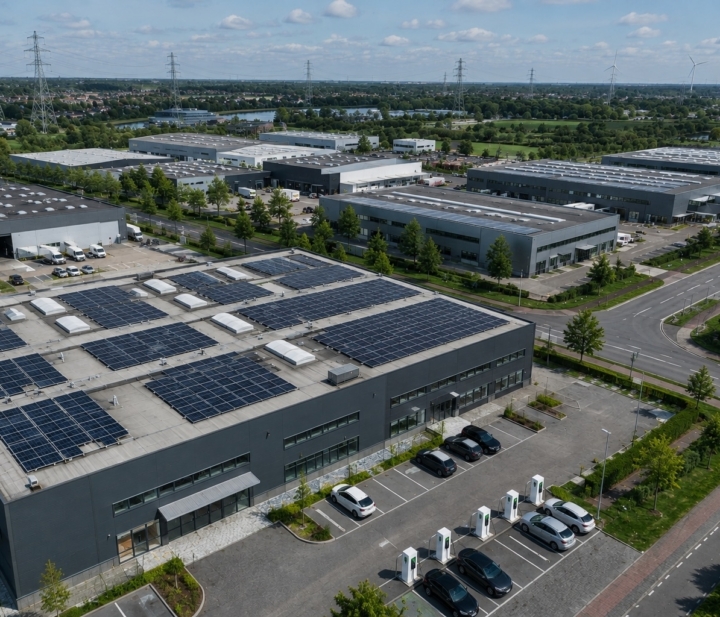
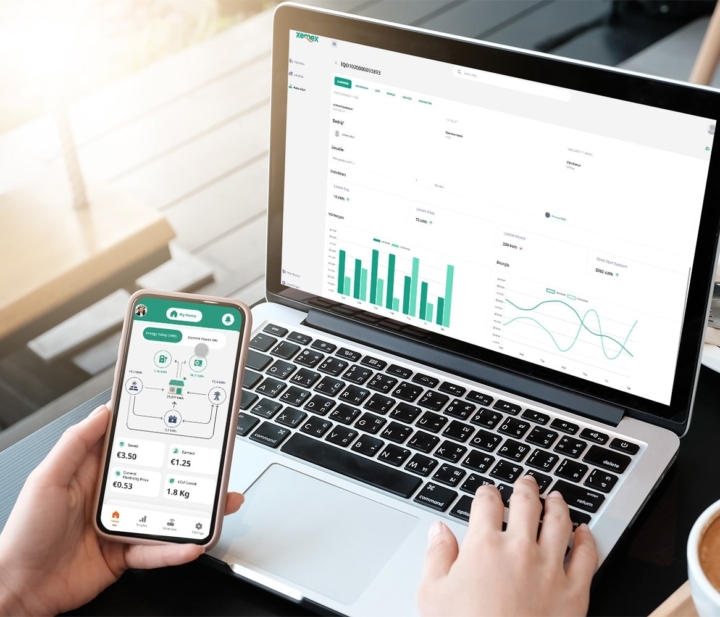
Energy monitoring as the backbone of modern buildings
From insight to impact: why energy monitoring matters today
Energy has become a strategic factor. Rising prices, sustainability targets, stricter legislation and increasing pressure on building performance have turned energy monitoring into a critical capability. Modern buildings are expected to deliver comfort, efficiency and transparency at the same time. Energy monitoring provides the foundation for that balance.
By continuously measuring, analysing and interpreting energy data, organisations gain control over consumption, costs and performance. Not retrospectively, but in real time. This shift from static reporting to dynamic insight marks the true value of energy monitoring.
The evolution of energy monitoring: from meter readings to meaning
Energy monitoring has developed step by step alongside technological progress. Initially, monitoring consisted of manual meter readings, recorded monthly or annually. These figures offered limited insight and no direct link to behaviour, installations or operational patterns.
The introduction of digital meters, followed by smart meters, fundamentally changed this landscape. Energy data became granular, frequent and accessible. Consumption could now be linked to time, processes and external factors such as weather or occupancy.
As a result, energy monitoring evolved from simple measurement into a tool for analysis, optimisation and decision-making. Today, it forms the basis for smart buildings, automated control strategies and data-driven facility management.
What energy monitoring means in practice
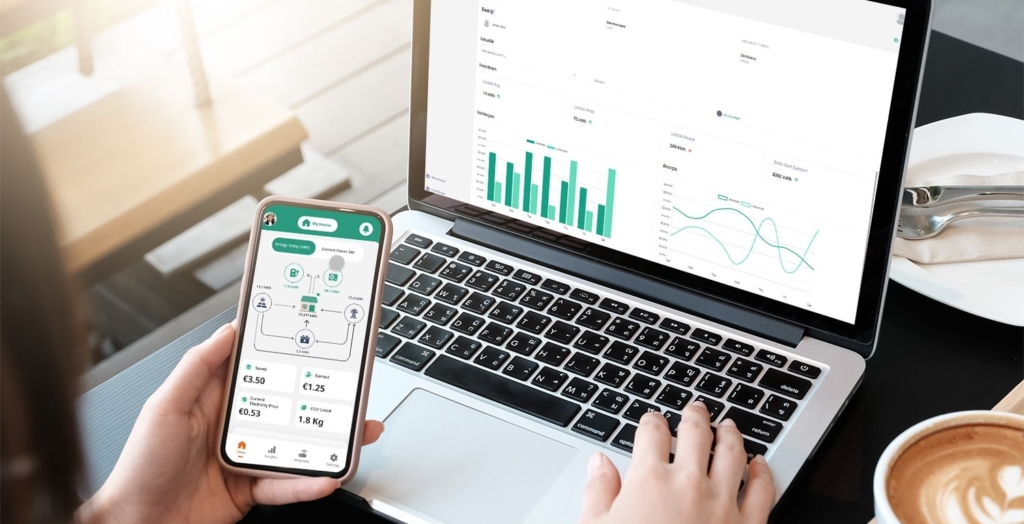
In practice, energy monitoring refers to the continuous collection, processing and visualisation of energy data from smart meters, submeters and connected systems. Software platforms translate raw data into actionable insights, enabling organisations to understand:
- how much energy is being used
- when peak loads occur
- where inefficiencies arise
- which systems or processes drive consumption
Dashboards, trend analyses and alerts transform numbers into information that supports operational and strategic decisions. Energy monitoring therefore does not stop at insight — it enables action.
Regulation and building monitoring: the policy framework behind the shift
Energy monitoring is no longer driven solely by efficiency ambitions. It is increasingly embedded in European and national legislation. The Energy Performance of Buildings Directive (EPBD) aims to improve the energy performance of buildings across Europe and explicitly encourages continuous monitoring and optimisation.
In the Netherlands and Belgium, this European framework is translated into national regulations that require better insight into energy use, system performance and operational efficiency. Energy monitoring is becoming a prerequisite for compliance, reporting and future investment decisions.
GACS: energy monitoring as a legal requirement
What is GACS?
GACS stands for Building Automation and Control Systems. These systems continuously monitor, analyse and optimise building installations such as heating, cooling, ventilation and lighting. GACS builds on energy monitoring, but goes one step further by actively supporting control and optimisation.
Why GACS matters
From 1 January 2026, utility buildings with heating or air-conditioning systems of 290 kW or more must comply with GACS requirements. From 2030, this threshold will be reduced to 70 kW, significantly expanding the scope of the regulation.
The objective is clear: reduce energy waste, improve system efficiency and create buildings that can adapt to real-time conditions. Energy monitoring forms the data layer that makes this possible. Without reliable, continuous monitoring, effective GACS implementation is simply not achievable.
Xemex addresses GACS in detail on a dedicated page. Within the context of this article, GACS highlights why energy monitoring is no longer optional, but structural.
Digital security as a core element of energy monitoring
As energy monitoring systems become increasingly connected, digital security gains importance. Smart meters and IoT devices act as data hubs within broader digital ecosystems. Ensuring secure communication and data integrity is therefore essential.
Security does not stop at the product level. Energy monitoring solutions operate in environments with multiple users, organisations and responsibilities. This makes access management a critical factor. Who can view data? Who can make changes? And how are roles maintained over time?
Digital security within energy monitoring is therefore a matter of technology, usage and governance combined. It connects product-level protection, regulatory requirements such as the revised RED directives, and day-to-day system management.

The impact of energy monitoring in numbers
Energy monitoring delivers measurable results:
- Energy savings of 5–20% are common through improved insight alone
- Optimisation of HVAC systems can lead to savings up to 40%
- Continuous monitoring improves installation lifespan and reduces maintenance costs
- Data availability supports compliance with EED audits, CSRD reporting and ESG frameworks
These figures underline that energy monitoring is not an abstract concept, but a proven driver of efficiency and value.
One overview table connecting insight, regulation and practice
| Aspect | What it means for your building |
|---|---|
| Evolution of monitoring | From periodic readings to real-time insight and control |
| Legislation (GACS) | Mandatory monitoring and optimisation for larger buildings |
| Digital security | Secure data, role-based access and compliant system use |
| Energy impact | 5–40% reduction in energy consumption achievable |
| Comfort & performance | Better indoor climate and system reliability |
| Software role | Turning data into actionable insight |
Energy monitoring software as the engine of smart buildings
Energy monitoring software as the engine of smart buildings
Software is what transforms data into value. Modern energy monitoring software provides:
- real-time dashboards
- automated alerts for anomalies
- historical trend analysis
- benchmarking across buildings
- audit-ready reports
This makes energy monitoring a continuous management process rather than a static reporting exercise.
Translating energy monitoring into practice
Energy monitoring only delivers real value when insight leads to action. Regulations such as the EPBD directive and the upcoming GACS requirements do not merely ask for data, but for reliable, continuous and interpretable information about energy use in buildings.
Xemex therefore positions energy monitoring as part of a broader energy ecosystem. Enny Insight and Enny Go form the foundation on which optimisation, compliance and future automation can be built.
Enny Insight: insight as the foundation for control and compliance
Enny Insight unlocks data from smart meters and measurement points and translates it into clear visualisations, trends and reports. It provides a structured overview of energy performance across buildings or locations.
This insight supports compliance with EED audits, ESG reporting and CSRD requirements. Data is centrally available, consistent and reproducible — not as a snapshot, but as a continuous performance record.
Enny Insight is designed with secure communication, role-based access and alignment with regulatory frameworks such as the revised RED directives. Insight is therefore not only complete, but also secure and future-proof.
Enny Go: from insight to active management
Enny Go builds on this foundation by linking energy use to device performance and operational behaviour. Deviations are detected early, before they lead to inefficiencies, failures or comfort issues.
This makes Enny Go particularly relevant in the context of GACS, where continuous performance monitoring and early detection of inefficiencies are essential. In addition, Enny Go enables remote management and support, supported by clear access control and governance.
Ready for legislation without added complexity
Both solutions are designed with regulation in mind. Whether it concerns GACS, EPBD, EED or reporting obligations, Enny Insight and Enny Go provide a structured information layer that organisations can rely on — today and in the future.
Towards smarter, compliant and energy-aware buildings
Energy monitoring is no longer a technical add-on. It is the backbone of modern building management. By combining insight, regulation, security and intelligent software, organisations gain control over energy use while preparing for future requirements.
With solutions such as Enny Insight and Enny Go, energy monitoring becomes a strategic asset — enabling buildings that are not only efficient, but intelligent, compliant and resilient.
What is energy monitoring?
Energy monitoring is the continuous measurement, analysis and visualisation of energy data to improve insight, efficiency and control in buildings.
Why is GACS important for buildings?
GACS requires buildings to continuously monitor and optimise energy performance, improving efficiency, comfort and compliance with European energy legislation.
How does digital security relate to energy monitoring?
Digital security ensures that energy data and systems are protected, with controlled access and secure communication as part of responsible system management.
Always ready to start
Wondering what we can do for your organization? Contact Xemex and discuss your needs with our team. Together we will realize a solution that addresses your energy challenges and opens up new possibilities.
Burgemeester Burgerslaan 40
5245 NH 's-Hertogenbosch, The Netherlands
Metropoolstraat 11a
2900 Schoten; Belgium