E-World 2026: the energy transition reaches the execution phase
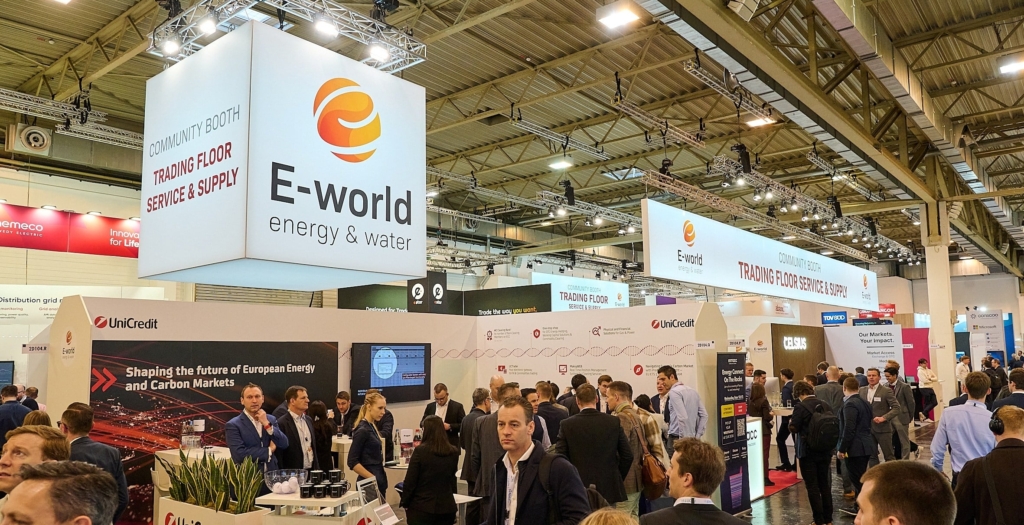
During the visit of Xemex’ Manager Innovation and Solutions Bram van der Wal to E-world energy & water in Essen, one thing became immediately clear: the energy transition is moving from vision to execution.Where previous editions focused heavily on futuristic smart homes and fully automated energy houses, this year’s emphasis was on scalable infrastructure. Less conceptual thinking, more implementation. Fewer isolated innovations, more system integration.
The market is clearly shifting from experimentation to standardization. That marks a mature stage in the energy transition.
Smart meter roll-out as a structural foundation
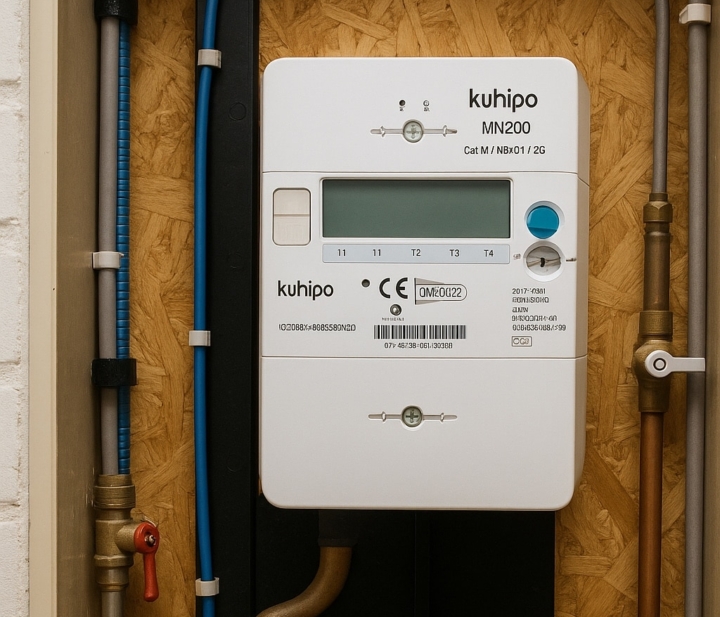
In Germany, the accelerated deployment of smart meters is central. The combination of smart meters, certified Smart Meter Gateways, and Steuerboxes for active power management forms the backbone of the future energy system.
Flexibility is no longer an optional feature; it is part of regulated infrastructure. Devices must communicate securely, operate interoperably, and comply with national regulations. The message repeated at nearly every stand was clear: without standardization, there is no scale.
The smart meter is thus not only a measurement tool but a control point within the energy system. Power management, grid monitoring, and flexibility services are structurally embedded in a formal framework.
Protocol choices: from fragmentation to convergence
A technical consolidation is also apparent. The market is moving toward fixed communication protocols.
The EEBUS Initiative is establishing itself as the common language between energy devices. For EV chargers and CPO integration, OCPP remains the dominant standard. SG-Ready continues to play a key role in heat pump control, while Modbus is widely present as a robust fallback for industrial and legacy integrations.
Notably, Matter plays a limited role in the German energy sector. Although Matter is gaining traction internationally in smart home ecosystems, broad adoption among energy OEMs is still lacking.
The era of each manufacturer developing its own protocol seems over. Interoperability is now a prerequisite rather than a differentiator.
EMS shifts toward pragmatic applications
Perhaps even more important than the protocol discussion is the functional simplification of Energy Management Systems. The ideal of a home with a fully automated ecosystem of energy assets gives way to realistic configurations.
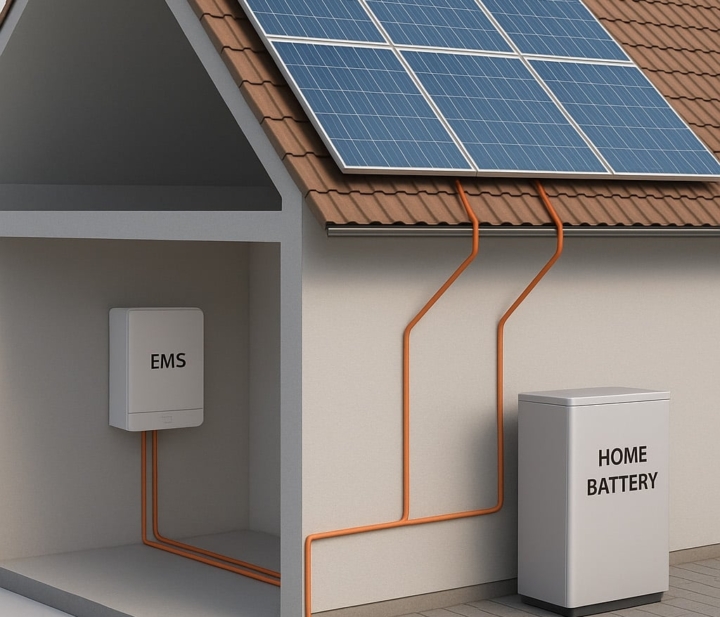
In practice, this usually involves one or two combinations: solar panels with an EV charger, solar panels with battery storage, or a heat pump operating within the limits of a 1x25A connection. Peak shaving, zero injection, and self-consumption optimization are the dominant use cases—especially when combined with dynamic energy tariffs, use cases increasingly relevant in the Benelux as well.
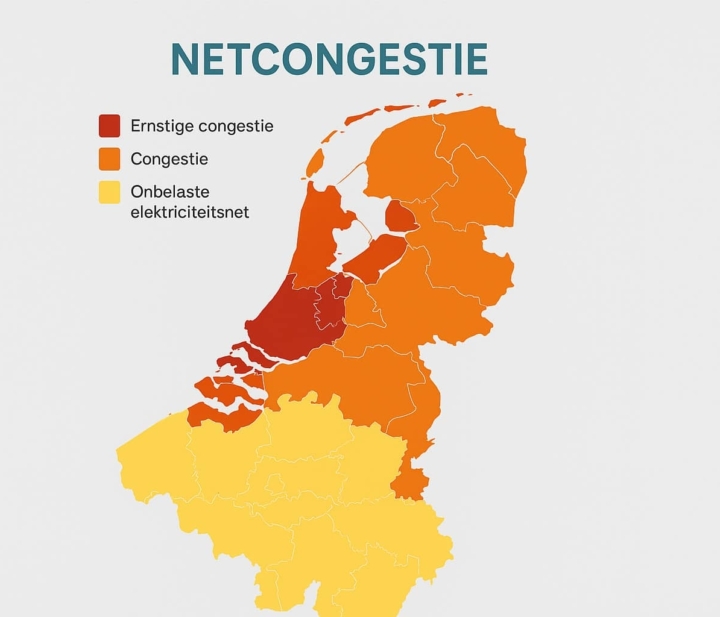
The technical challenge has shifted from maximum automation to reliable prioritization. How do you allocate power within main fuse limits? How do you prevent grid congestion? How do you manage negative or fluctuating electricity prices, the abolition of net-metering, or emerging capacity tariffs? These are the questions of today.
Focusing on simplicity enables scale. Not every household has a “house of the future,” but millions of homes do have solar panels, an EV charger, or a heat pump. That is where the volume of the energy transition lies.
EMS as part of a regulated ecosystem
It was also clear that EMS solutions are increasingly positioned as part of a broader energy ecosystem. Collaborations between energy suppliers, OEMs, grid operators, and technology partners are on the rise.
Flexibility, self-consumption, and grid relief are moving from individual product features to joint propositions. This requires open standards, reliable hardware, and scalable cloud architectures prepared for regulated grid interaction.
EMS is evolving from a smart device behind the front door to an infrastructure component within the national energy system.
What this means for Xemex
The developments in Essen confirm the course set by Xemex. Open standards take precedence over custom solutions. The focus is on realistic applications that are scalable today. At the same time, the market demands preparation for regulated grid integration and alignment with industrial standards from energy OEMs.
Protocols such as OCPP, SG-Ready, and Modbus are already integrated into our solutions. EEBUS is high on our roadmap to strengthen interoperability in a further standardizing European market.
The energy transition is not accelerated by maximum complexity. It is accelerated by interoperability, simplicity, and scalability. And that is precisely where the heart of mature energy management lies today.
Always ready to start
Wondering what we can do for your organization? Contact Xemex and discuss your needs with our team. Together we will realize a solution that addresses your energy challenges and opens up new possibilities.
Burgemeester Burgerslaan 40
5245 NH 's-Hertogenbosch, The Netherlands
Metropoolstraat 11a
2900 Schoten; Belgium