ETS2 and the Energy Future

What installers and metering companies need to understand
Starting in 2027 (or 2028 according to recent projections), fossil fuels used for heating and transport will fall under the emission trading system. This means rising fuel costs as well as a strong incentive to switch to electric solutions and more energy-efficient technologies. Installers and metering companies play a crucial role in how this transition unfolds because they form the bridge between technology and daily practice.
What ETS2 actually is
European emission trading has existed for years for electricity producers and heavy industry. ETS2 expands the system to suppliers of fossil fuels such as natural gas, heating oil, petrol and diesel. These suppliers must purchase emission allowances, and the associated cost may be passed on to end users.
A broader trading system that makes fossil energy more expensive
EnergyVille emphasizes that the pricing mechanism is not a goal in itself but a tool to reduce greenhouse gas emissions and accelerate the shift to renewable energy. Fossil fuels become more expensive, while electricity, especially when generated from renewable sources, remains relatively attractive or may even become cheaper as market dynamics evolve.
A portion of the revenues from ETS2 is allocated to the Social Climate Fund, which supports vulnerable households and businesses. This ensures the transition remains socially inclusive.
How ETS2 works in practice
The core of ETS2 is simple yet far reaching. By making fossil consumption more expensive, the relative appeal of electric technologies increases. This is not just a theoretical effect. Socioeconomic studies show that without additional measures, households relying on fossil heating and transport could see yearly costs rise by several hundred euros.
How price pressure influences user choices
At the same time, those who already heat or drive fully electrically do not see any direct ETS2 surcharge on their energy bills. The mechanism targets fossil-based energy only.
In this context, energy monitoring becomes a critical instrument for insight and control. With real-time data, installers and metering companies can help customers make better decisions about their energy usage.
Impact by energy type
| Energy type | ETS2 impact on price | Effect on consumer |
|---|---|---|
| Electricity | Low additional cost | Remains relatively attractive |
| Natural gas | Rising cost | Heating becomes more expensive |
| Petrol and diesel | Significant increase | Transport costs rise |
| Heat pumps | No direct surcharge | Benefits through electrification |
| District heating | Variable | Depends on heat sourc |
Why energy monitoring becomes essential
ETS2 does not require households or businesses to provide their own emission reports. The responsibility stays with fuel suppliers. But the mechanism does create a strong need for insight. Energy prices change, and customers want to understand what this means for their situation and which measures will deliver the most impact.
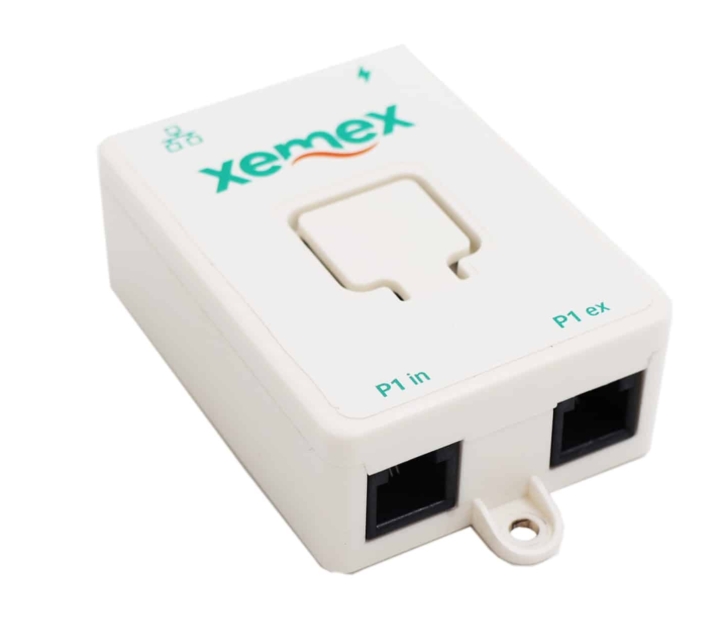
This is where energy monitoring with Enny Insight becomes especially valuable. Enny Insight is part of the Xemex energy management ecosystem and provides real-time visibility into energy consumption. The platform offers clear insights into consumption, production and any grid feed-in, and makes this data accessible through a web portal or app.
Installers and metering companies can leverage these insights to:
Analyse consumption curves to identify inefficiencies.
Advise customers on optimal electrification or energy efficiency measures.
With real-time data, decisions are no longer based on assumptions but on measurable facts.
How Enny Insight contributes to solutions
Turning data into valuable insights
Energy monitoring starts with the hardware that measures, but ends with understanding and action. Enny Insight combines smart metering devices with a cloud platform that visualizes consumption patterns. For installers and metering companies, this means:
Customers gain transparent insight into their consumption and production, which helps them choose the right technology.
Data reveals repeated patterns and inefficiencies that would otherwise remain invisible.
ETS2 and wider societal challenges
EnergyVille’s Expert Talk highlights that ETS2 is not only a technical instrument but also one with societal implications. Without supporting measures, fossil fuel prices could rise significantly, with consequences for households and small businesses.
Affordability and social considerations
Beyond technical solutions, EnergyVille recommends policies such as a tax shift that makes electricity cheaper while fossil fuels become more expensive. They also emphasize investments in energy efficiency and clear communication so people can act early and consciously.
For metering companies and installers, this creates an opportunity not only to install systems but also to guide customers through the transition, supported by information, tools and data-driven insights.
Practical implications for everyday operations
There are several steps installers and metering companies can take to strengthen their role in the energy transition:
Offering metering solutions and insight dashboards that make usage transparent.
Connecting real-time data to targeted electrification and energy efficiency advice.
These steps help customers understand their energy usage and reduce costs in a world where fossil fuels will steadily become more expensive.

Conclusion: ETS2 accelerates insight and innovation
ETS2 is more than a policy instrument. It signals a future in which fossil energy use will gradually be reduced while electrification and energy efficiency take centre stage. For installers and metering companies, this shift offers challenges but, above all, opportunities.
By combining energy monitoring and real-time insights with expert advice and practical implementation, a new value proposition emerges in which data guides decisions. Understanding energy usage is not a goal in itself. It is a means to reduce costs, increase efficiency and make customers more resilient in a rapidly evolving energy landscape.
Bron: Gebaseerd op: Paper: Doortastend klimaatbeleid houdt energie betaalbaar, Energyville april 2025
Always ready to start
Wondering what we can do for your organization? Contact Xemex and discuss your needs with our team. Together we will realize a solution that addresses your energy challenges and opens up new possibilities.
Burgemeester Burgerslaan 40
5245 NH 's-Hertogenbosch, The Netherlands
Metropoolstraat 11a
2900 Schoten; Belgium