GACS 2026: Smart Buildings Become the Standard

This includes hospitals, hotels, schools, factories, supermarkets and large office buildings. What appears technical on paper has far-reaching consequences for building owners, facility managers and energy consultants across Europe.
What GACS Actually Means
GACS stands for Building Automation and Control Systems. The regulation requires large buildings to implement systems that continuously measure, analyse and optimise energy consumption. Not once a year in a static report, but real-time, data-driven and verifiable. Energy management becomes an active, strategic process rather than a reactive task.
The Origin: EPBD as the Foundation
GACS originates from the revised European Energy Performance of Buildings Directive (EPBD). This directive is a cornerstone of European climate policy, aiming for a climate-neutral building stock by 2050.
Earlier versions focused mainly on insulation and energy labels. EPBD IV shifts the emphasis to operational energy performance. How a building actually performs on a daily basis now matters just as much as how it was constructed.
From Reactive Management to Self-Learning Buildings
Historically, building management was largely reactive. Systems were adjusted when complaints arose. Energy inefficiencies were often discovered only after annual billing.
GACS marks a structural shift. Buildings must now rely on intelligent, data-driven systems that continuously monitor performance, detect patterns and identify inefficiencies. In this model, buildings evolve into self-learning systems that improve over time.
Why GACS Gained Momentum in 2025
Until early 2025, GACS barely appeared in search trends or market communication. From April onward, interest increased rapidly, particularly among consultants and installers. By September, search volumes peaked, signalling a growing sense of urgency.
At the same time, the market revealed a gap. While GACS scans and individual monitoring tools emerged, integrated solutions that cover measurement, monitoring, analysis and reporting remain scarce.
The Role of Xemex in GACS Solutions
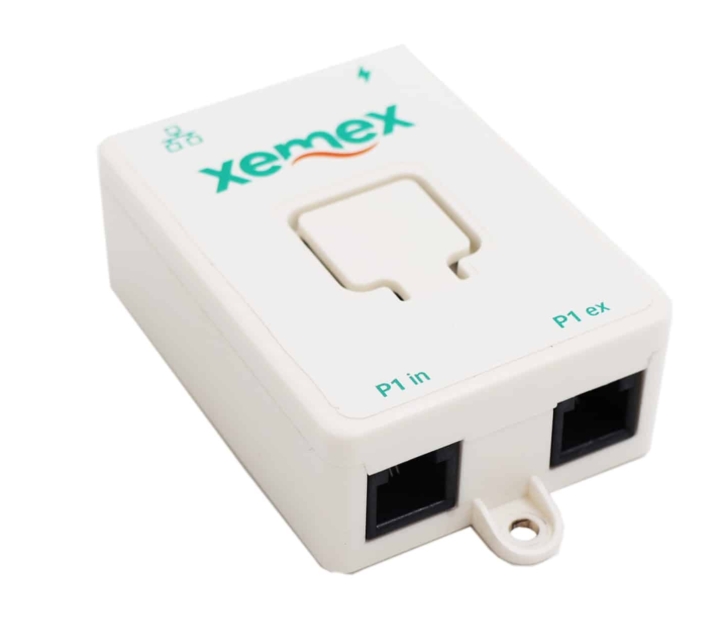
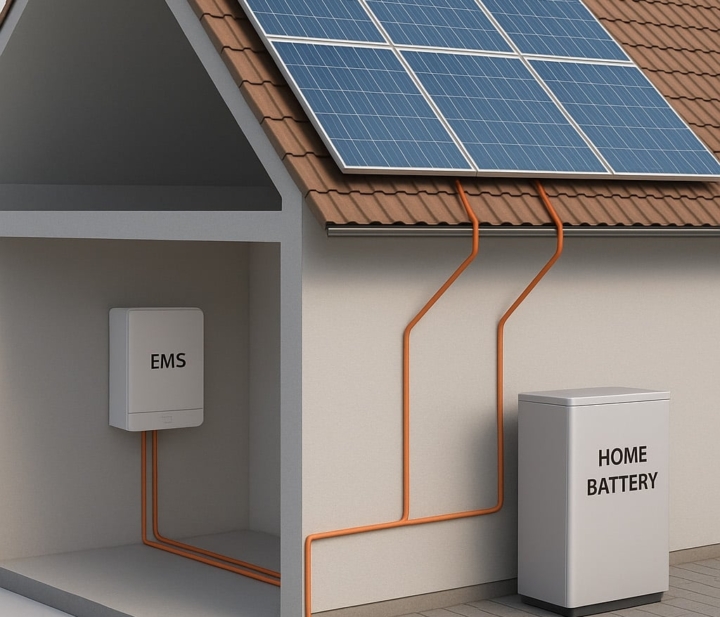
Xemex addresses this gap with ENNY EMS, supported by ENNY Insight and ENNY Go. Together, these solutions form a scalable foundation for GACS-compliant building monitoring.
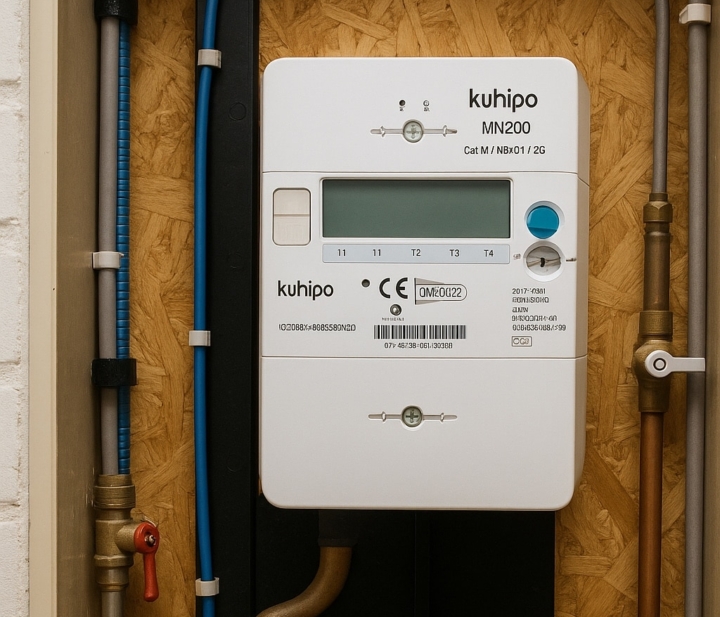
Using Smart Connect dongles and KWHIQ meters, energy data can be measured at zone, installation or functional level. Through API integrations, this data flows into ENNY EMS or the ENNY Cloud platform, giving building managers continuous insight into energy performance.
From Measurement to Verifiable Compliance
GACS does not only require monitoring, but demonstrable optimisation. Xemex supports this with the GACS Expert Report, translating energy data into reports aligned with legal requirements. Compliance becomes a natural outcome of daily operations rather than a separate administrative burden.

Looking Ahead to 2030
GACS is not the final destination. European policy already points toward 2030, where advanced automation and intelligent control will become standard. By investing today in open, modular EMS platforms, organisations future-proof their buildings.
Xemex continuously develops its hardware and software ecosystem to support this evolution, ensuring readiness for future regulation and market demands.
Conclusion
GACS marks a turning point in how buildings are managed across Europe. No longer passive energy consumers, large buildings become active, data-driven systems. Xemex supports installers, consultants and building owners with solutions that meet today’s legal requirements and prepare for tomorrow’s energy landscape.
Frequently Asked Questions about the GACS Regulation
What exactly is the GACS regulation?
The GACS regulation requires large non-residential buildings to use building automation
and control systems that continuously measure, analyse and optimise energy consumption.
The goal is verifiable energy efficiency under the European EPBD framework.
Which buildings fall under the GACS obligation?
The obligation applies to non-residential buildings with energy consumption of
290 kWh per square metre per year or higher, including hospitals, schools, hotels,
supermarkets, factories and large office buildings.
Is energy measurement alone sufficient for GACS compliance?
No. Measurement is only the foundation. GACS also requires continuous monitoring,
analysis and the ability to actively optimise energy consumption, supported by
verifiable reporting.
Why did GACS become more visible from 2025 onwards?
Although the regulation existed earlier, its impact became tangible in 2025.
Companies realised that implementation requires time, data infrastructure and
specialised expertise, driving increased market interest.
How does Xemex support GACS compliance?
Xemex provides metering hardware, EMS software and cloud platforms that deliver
detailed insight into energy consumption per zone or installation, aligned with
current legislation and future requirements toward 2030.
Always ready to start
Wondering what we can do for your organization? Contact Xemex and discuss your needs with our team. Together we will realize a solution that addresses your energy challenges and opens up new possibilities.
Burgemeester Burgerslaan 40
5245 NH 's-Hertogenbosch, The Netherlands
Metropoolstraat 11a
2900 Schoten; Belgium