Solar Energy in Belgium: A Record Year and Challenges
Solar Energy in Belgium 2025: Record Production and Figures
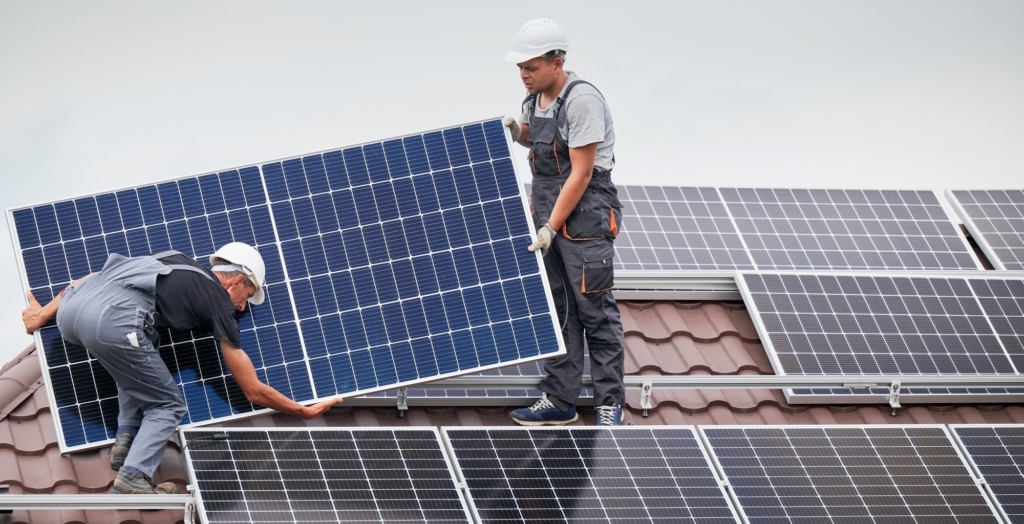
2025 marked a milestone for solar energy in Belgium. According to data from VFB and Elia, a record amount of solar electricity was generated, accounting for a substantial share of total electricity production. Tweakers reports that solar energy production was more than 20% higher than in 2024.
This growth is not only due to increased installed capacity but also an exceptionally sunny year. Solar irradiation, weather conditions, and technological improvements enabled panels to produce more efficiently than ever. As a result, solar energy can cover a significant portion of national demand during peak times, reducing reliance on fossil fuels.
While the figures suggest success on paper, in practice a more complex challenge emerges.
Negative Electricity Prices in Belgium: Overproduction Creates a Paradox
In 2025, the electricity price fell below zero for more than 520 hours, an absolute record in Belgium. This mainly occurred during sunny weekends with low demand and high production.
Negative prices may seem paradoxical. They indicate that producers even pay to get rid of their electricity. How can solar generate so much yet have a negative market effect? The answer lies in the simultaneity of production and demand. Solar panels peak at midday. If industry is idle and household consumption is low, an oversupply occurs. The grid can only export a limited amount of electricity, causing market prices to drop below zero.
According to Headliner, this is a direct consequence of the growing role of renewable energy in the mix. Negative prices are not a sign of failure; they indicate a system that must rapidly adapt to peaks and troughs in production.
For households with solar panels, this means feeding electricity into the grid at these times is financially less attractive. Without storage or dynamic contracts, much of the electricity loses value.
Declining Interest in Solar Panels in Flanders 2025
Despite record production, demand for new solar panels declined significantly. In Flanders, nearly 46% fewer residential installations were added compared to the previous year.
The reasons are mainly economic and regulatory. The phase-out of net metering, low feed-in tariffs, and uncertainty about grid costs have extended payback times. Households now need to carefully calculate whether solar investments make sense. HLN notes that the classic solar model — produce as much as possible and feed back into the grid — is less attractive today.
The market is responding logically: when production peaks become less financially valuable, households invest more cautiously
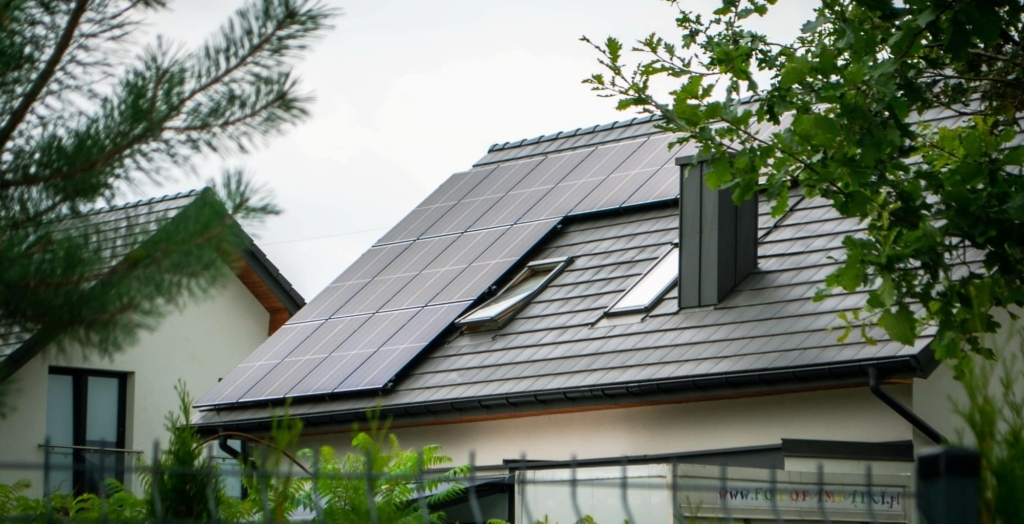
How Solar Production, Prices and Investments Interconnect
It is crucial to understand that these three trends — record production, negative prices, and fewer new installations — are interconnected. More solar panels and higher production peaks lead to oversupply. Oversupply causes low or negative prices. Low prices reduce the attractiveness of feeding into the grid and discourage new installations.
The system communicates through market signals: it’s not only about producing electricity but also about when it is used. This underscores the importance of the household as an active participant in the energy transition.
The Belgian Household and Self-Consumption of Solar Power
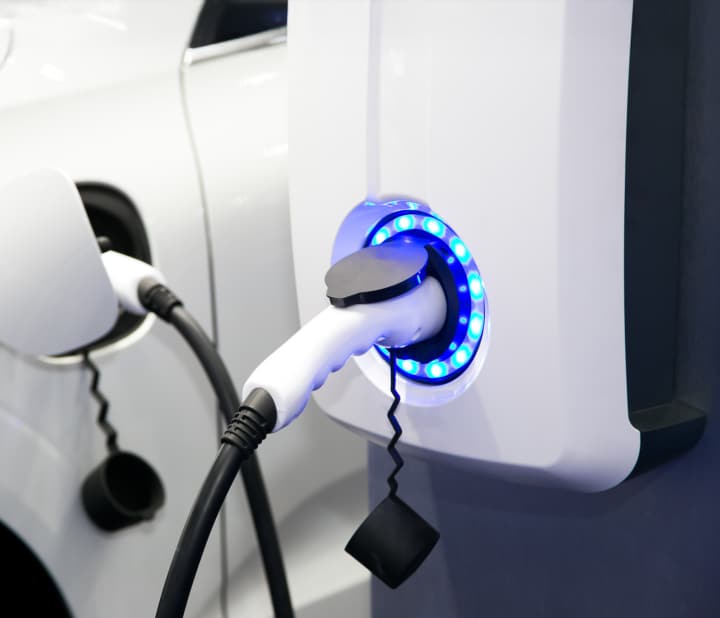
For solar panel owners, 2025 was a lesson in timing. Producing electricity while no one is home often means selling back at low prices. Conversely, shifting consumption to sunny hours — for heat pumps or electric vehicle charging — retains more of the electricity’s value.
Technical Insight: Oversupply and Negative Prices in Solar Energy
The peaks and troughs in the electricity market have a clear technical explanation. Solar panels produce simultaneously and depend on weather. On sunny days, peaks often coincide with low demand. The grid can export only a limited amount of electricity, causing prices to drop below zero.
Headliner and VRT NWS report that this occurred over 520 hours in 2025. Experts from Elia and CREG consider this a sign of a transitioning energy system: production is growing faster than flexibility and storage capacity.
Storage, demand management, and dynamic pricing are therefore essential. Electricity used locally or stored avoids negative prices and increases the value of a solar installation. Technically, self-consumption reduces the simultaneity factor of solar production and stabilizes the grid.
Solarmagazine emphasizes that self-consumption is increasingly important as negative prices occur more often. The classic model of producing and feeding into the grid without strategy is no longer sufficient.
The Belgian energy system increasingly requires active participation. Households that align production with consumption reduce grid congestion and can secure financial benefits. Those who do not feel mostly the drawbacks of peak supply and price fluctuations.
Outlook for 2026
Looking ahead to 2026, trends are clear. Solar production will continue to rise due to existing capacity and improved technology, such as thinner, more efficient panels (Solarmagazine, 26/12/2025
). At the same time, the market will continue to face hours of negative prices and volatility.
Households that invest in flexibility, storage, and self-consumption can maintain their advantage. Dynamic contracts, batteries, and smart device management make it possible to fully utilize generated electricity. Those relying solely on feeding electricity back into the grid will see reduced economic returns.
Conclusion: Sun Remains, Strategy Changes
2025 demonstrated both the potential and the limits of solar energy in Belgium. Record production shows the system is technically mature. Negative prices and declining investments show that the economic model is shifting.
For solar panel owners, the challenge shifts from merely producing electricity to using it wisely. Self-consumption, flexibility, and insight will be the key factors to maximize solar energy benefits. The energy system is changing, and those who adapt will retain both value and independence.
- VRT NWS – “Zonnepanelen dit jaar minder in trek”, 29 december 2025
- VRT NWS – “520 uur negatieve prijs elektriciteit”, 6 januari 2026
- VRT NWS – “Productie van zonne-energie op recordhoogte in 2025”, 26 december 2025
- Tweakers – “België produceert recordhoeveelheid zonne-energie”, 26 december 2025
- HLN – “Verkoop zonnepanelen keldert”, 29 december 2025
- Solarmagazine – “Zonnepanelen worden dunner en efficiëntie stijgt tot boven 30 procent”, 26 december 2025
- VFB/Elia/CREG – voorlopige cijfers over elektriciteitsmix en hernieuwbare productie 2025
Always ready to start
Wondering what we can do for your organization? Contact Xemex and discuss your needs with our team. Together we will realize a solution that addresses your energy challenges and opens up new possibilities.
Burgemeester Burgerslaan 40
5245 NH 's-Hertogenbosch, The Netherlands
Metropoolstraat 11a
2900 Schoten; Belgium