2G and 3G Phase-Out: Ensuring Future-Proof Metering
How Mobile Networks Evolved from GPRS to LTE and 5G
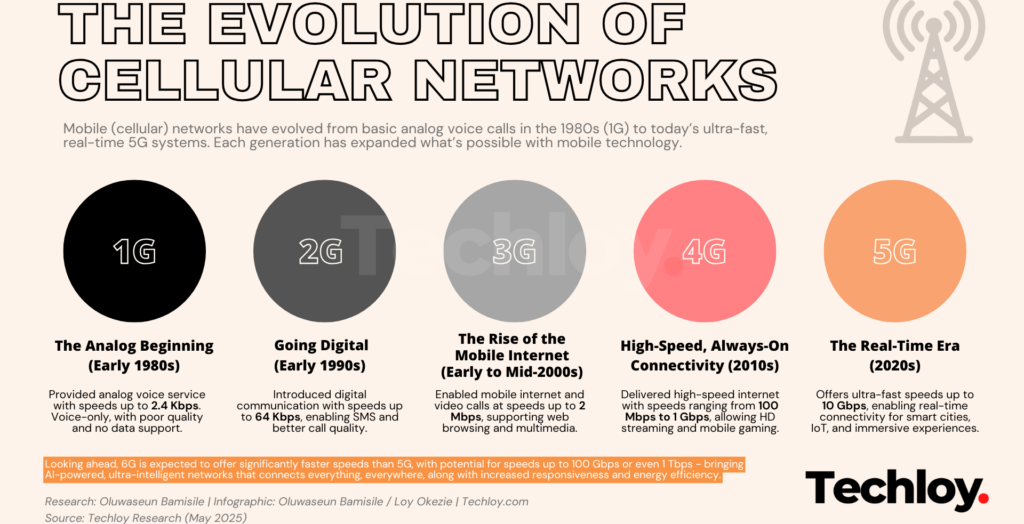
The foundation of today’s mobile networks began in the 1990s with the 2G (GSM) network. Digital voice and GPRS allowed small data packets to be transmitted efficiently, enabling meters and telemetry to transfer data without a fixed line. Modular communication modules such as Xemex’s NTA-module allowed meters to function reliably for years.
3G introduced higher speeds but consumed more energy and offered limited efficiency for IoT. 4G (LTE) brought faster, higher-capacity networks suitable for large-scale wireless data. Now, 5G provides even greater performance and optimized support for IoT applications, including energy metering. This evolution ensures robust, long-lasting connectivity for meters, while also providing higher reliability and integration possibilities.
Why 2G and 3G Are No Longer Sufficient
Older networks are being retired because they are inefficient for modern data communication and their spectrum is needed for advanced networks such as 4G and 5G. In Belgium, 3G is already being phased out; Orange and Telenet began shutting down 3G in 2024, and full discontinuation is expected by 2026. Only a small percentage of mobile traffic still relies on 3G. By shutting down these networks, operators free spectrum for faster, more stable, and energy-efficient connections. 2G will remain temporarily as many applications, such as certain smart meters and payment terminals, still depend on it.
The Impact on Housing Associations
Housing associations face an urgent situation. Many still use GPRS-enabled meters that will lose connectivity within the next 1.5 years. Without intervention, meter readings, billing, and energy monitoring risk disruption. Moreover, end-of-life modules such as the NTA-series cannot be replaced indefinitely, which raises the need for future-proof solutions that operate on LTE-M (4G) or 5G.
Why Replacement is Essential
Replacing obsolete meters is not optional. Outdated modules are vulnerable to voltage surges and network instability, which may cause outages and inconsistent data. Upgrading ensures continuity, reduces maintenance costs, and prevents reliance on unsupported networks. It also allows for integration with modern IoT platforms, real-time monitoring, and data analytics.
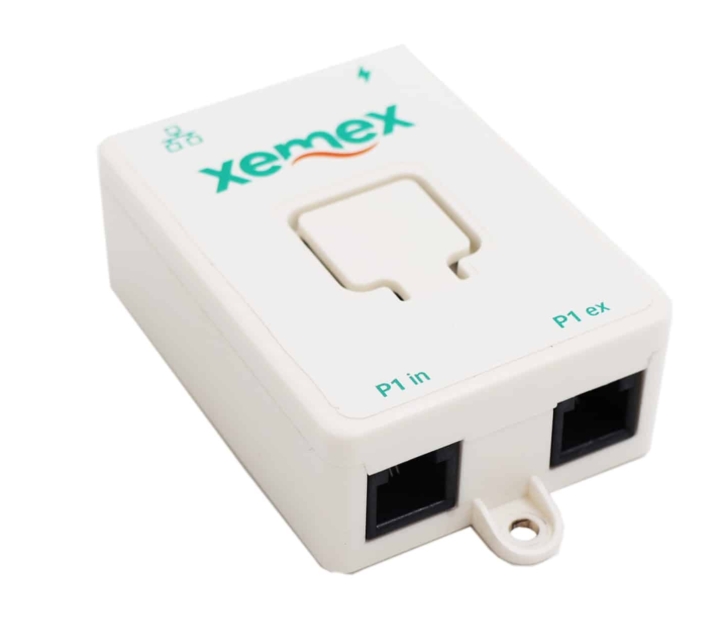
Xemex Slimme meters
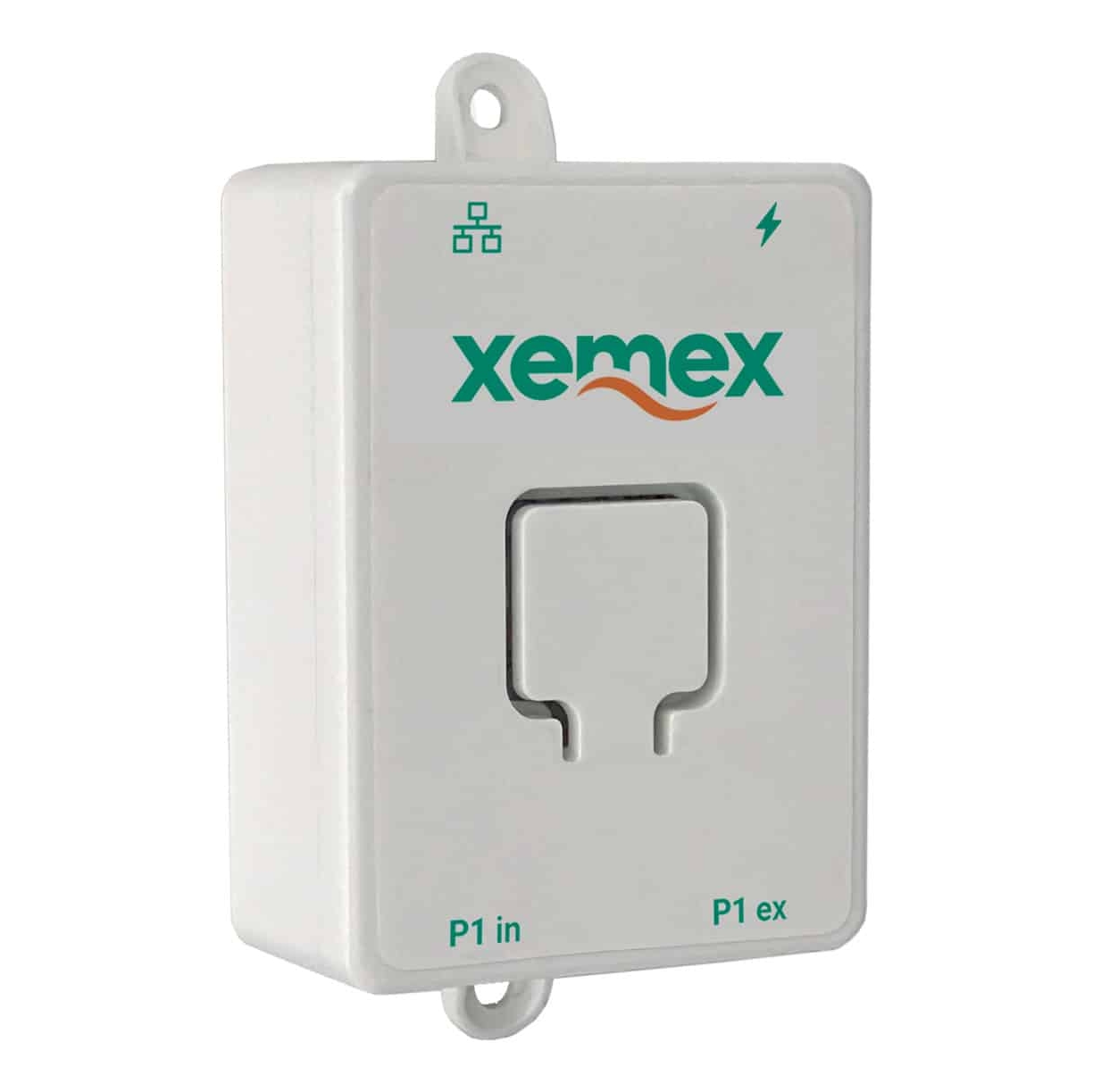
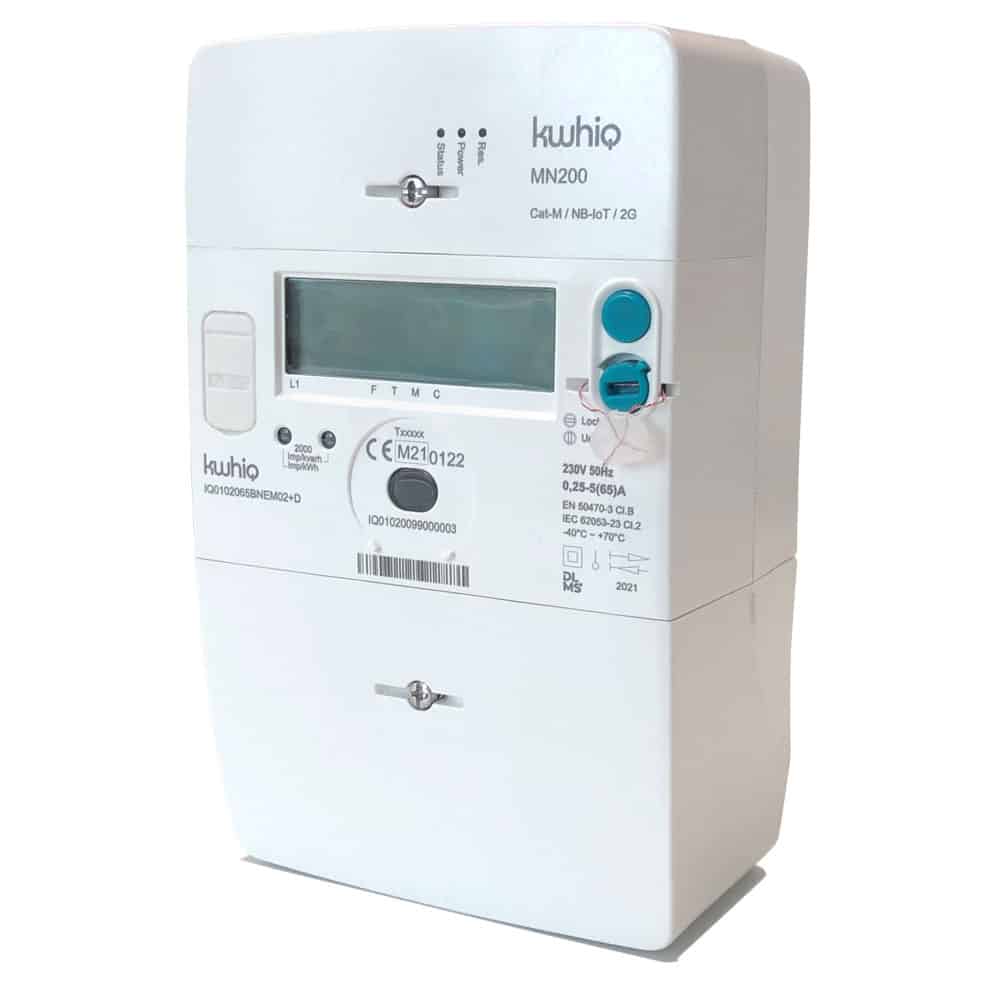
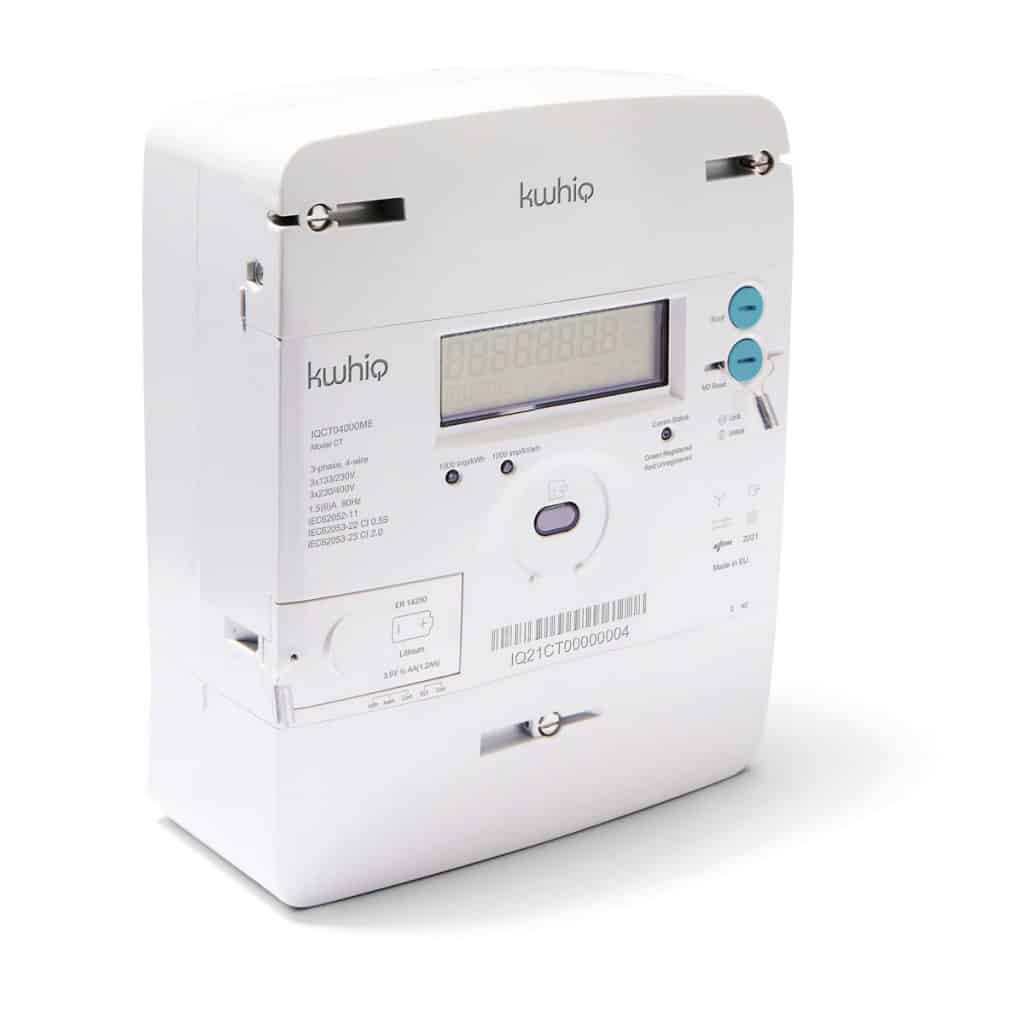
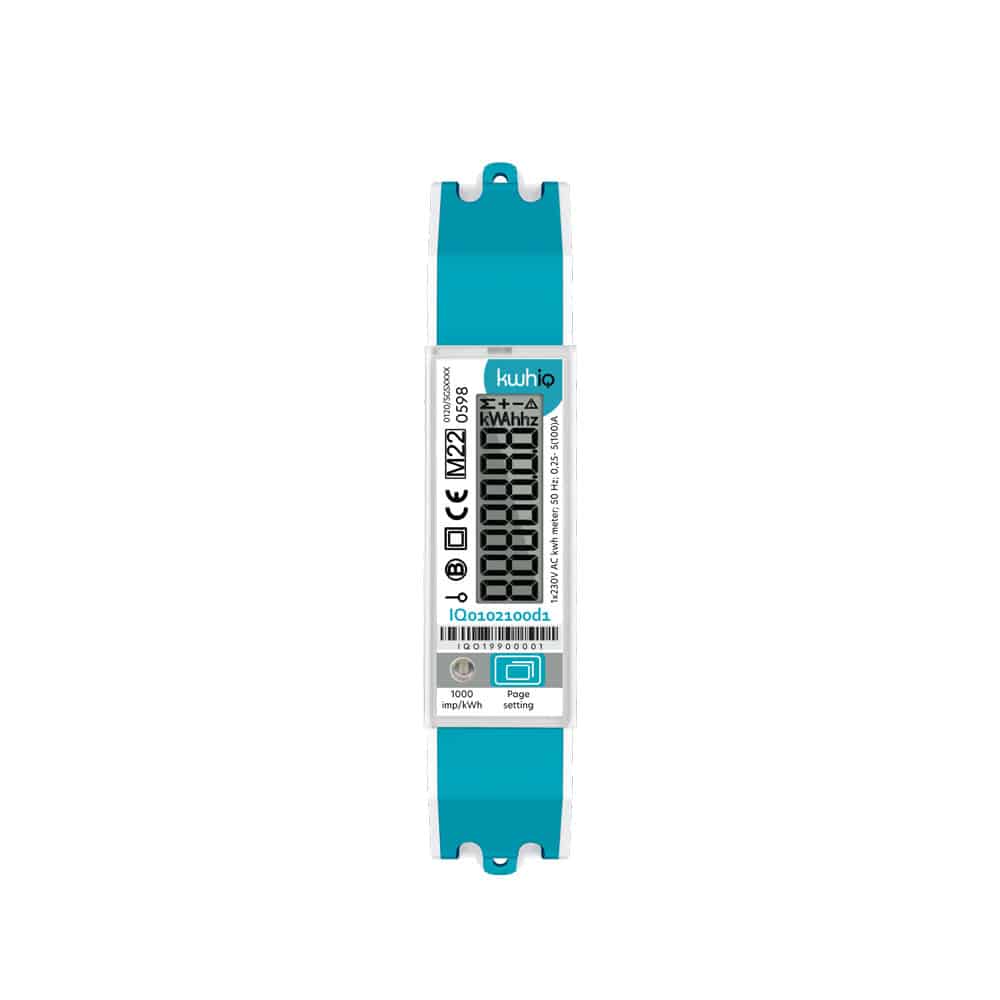
Xemex Solutions for 4G and 5G Connectivity
Xemex anticipated the phase-out of 2G. The NTA-module was upgraded over time for LTE-M compatibility, making meters resilient to voltage fluctuations. However, as the NTA-module reaches end-of-life, Xemex offers future-proof alternatives for housing associations, including full replacement with KWHIQ meters or bridging via the Smart Connect series, which supports MQTT for IoT communications.
KWHIQ Solutions for Housing Associations
The KWHIQ meter portfolio provides modern, LTE-M (4G) and 5G-capable meters, fully compatible with Xemex Enny platform. For housing associations, the benefits include:
- Immediate readiness for LTE-M and 5G networks
- Full integration with Enny Insight for consumption monitoring
- Reliable, future-proof infrastructure for years to come
- Bridging with Smart Connect series where IoT data needs MQTT
Temporary Smart Connect solutions enable continuity while migrating existing meters to the KWHIQ portfolio. The modular design simplifies installation and reduces operational downtime.
Comparison Table: Legacy vs Future-Proof Meters
| Feature | Legacy NTA Module | KWHIQ Meter + Smart Connect |
|---|---|---|
| Network | GPRS / 2G | LTE-M / 4G / 5G |
| IoT Support | Limited | Full, with MQTT bridging |
| Voltage Surge Protection | Basic | Enhanced, robust against surges |
| Integration with Enny | Partial | Full |
| Future-Proof | No | Yes |
Conclusion
The phase-out of 2G and 3G networks is a reality that housing associations cannot ignore. Xemex offers solutions to transition smoothly, including KWHIQ meters for long-term reliability and Smart Connect bridging for uninterrupted data flow. Upgrading to LTE-M and 5G-enabled meters ensures continuity, robustness, and compatibility with IoT platforms, preparing associations for the next generation of energy monitoring.
Frequently Asked Questions about 2G/3G Phase-Out and Xemex Solutions
Why are 2G and 3G being phased out, and what does this mean for housing associations?
Mobile networks are evolving rapidly, and older networks are being phased out. Housing associations that still use meters or monitoring modules connecting via GPRS (2G) will no longer be able to exchange data once 2G and 3G are retired. This affects meter readings, consumption analysis, and overall system management. Telecom providers such as KPN and VodafoneZiggo are phasing out these networks gradually until the end of 2026/2027, while Odido already discontinued 2G in June 2023. In Belgium, providers like Orange and Telenet are gradually switching off 3G from 2024, with complete phase-out by 2026.
How have mobile networks evolved from GPRS to LTE and 5G?
2G (GSM) introduced digital voice and GPRS for small data packets. 3G offered higher speeds but limited efficiency for IoT applications. 4G (LTE) improved speed, capacity, and supported large-scale wireless data processing. 5G further optimizes performance and IoT connectivity. For meters, this evolution ensures more robust and longer-lasting connectivity.
What is the impact of 2G/3G shutdown on existing meters?
Meters relying on GPRS will lose connection once the networks are decommissioned. This can cause outages, incorrect readings, and missing data. Timely replacement is necessary to ensure continuity. Xemex provides KWHIQ meters and the Smart Connect series, supporting LTE-M (4G/5G) and MQTT communication for IoT bridging solutions.
What solutions does Xemex offer for housing associations?
For associations using meters on GPRS, Xemex offers an upgrade to the KWHIQ meter portfolio or temporary bridging with the Smart Connect series. These solutions provide LTE-M/4G/5G connectivity and reliable data exchange. KWHIQ meters are future-proof and fully compatible with the Enny platform for monitoring and analysis.
What are the benefits of KWHIQ and Smart Connect for the transition?
– Ready immediately for 4G/5G connectivity
– Minimal risk of outages
– Full integration with the Enny Insight platform
– Temporary bridging via MQTT with Smart Connect solutions
Bronnen
Always ready to start
Wondering what we can do for your organization? Contact Xemex and discuss your needs with our team. Together we will realize a solution that addresses your energy challenges and opens up new possibilities.
Burgemeester Burgerslaan 40
5245 NH 's-Hertogenbosch, The Netherlands
Metropoolstraat 11a
2900 Schoten; Belgium