Smart Meter: The Basis for Insight and Flexibility
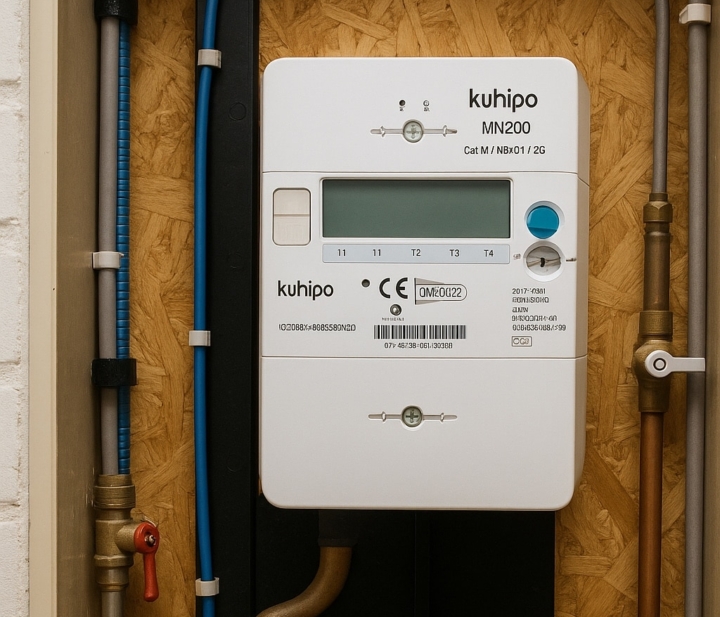
The smart meter often sits quietly in the meter cupboard. Yet this small device is increasingly at the center of the energy debate. Not because the technology is changing, but because the energy market is. Rising energy prices, more electric vehicles, and dynamic energy contracts make energy consumption visible—and controllable. This increases the value of the smart meter for households. The device offers not just insight, but, above all, control over energy costs.
Smart Meters Give Households Control and Savings
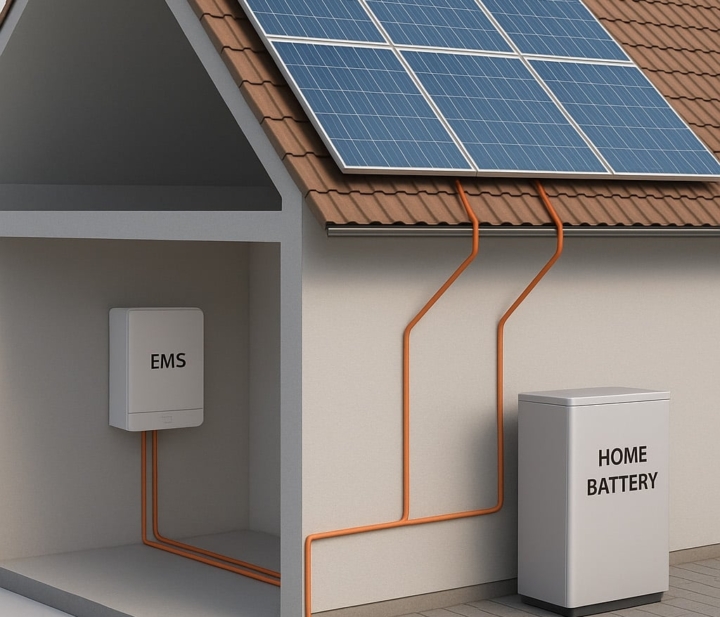
Smart meters provide real-time insight into your electricity and gas usage, enabling dynamic tariffs and smarter device management. By connecting an Energy Management System (EMS), households can automatically optimize consumption—charging electric vehicles at low rates, running appliances during cheaper hours, and storing solar energy efficiently. This control helps reduce energy bills, increases flexibility, and turns fluctuating energy prices to your advantage.
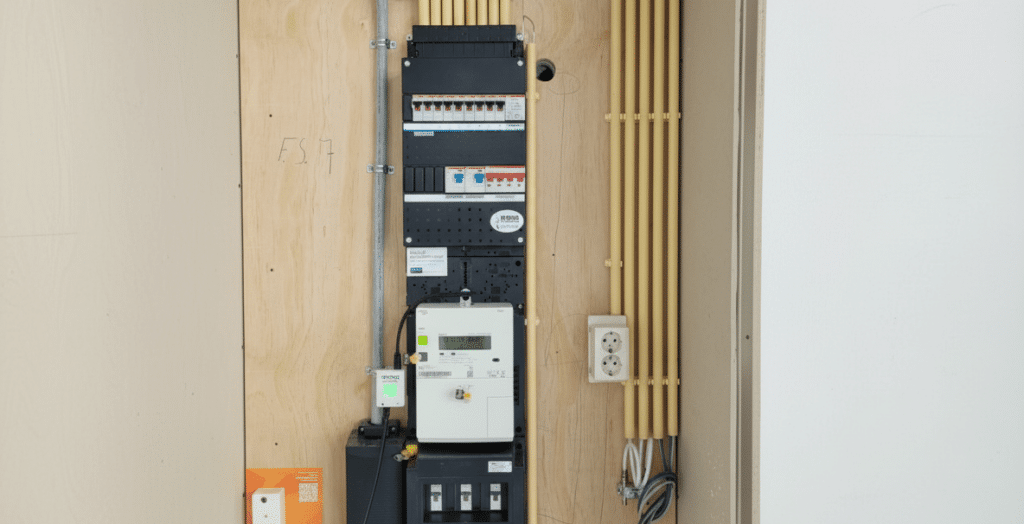
Smart meter: foundation for insight and flexibility
Since 2014, nearly all Dutch households have received a smart meter, which digitally records electricity and gas consumption and sends it to the grid operator at least once a day. This allows energy suppliers to send detailed consumption reports every month. Households gain insight more frequently—not just at the annual bill, but monthly or even hourly via an app.
When an energy management system (EMS) is connected, you can see real-time consumption for each device. According to Milieu Centraal, this leads to tangible insight: households save on average about 2% on electricity and 7% on gas (approximately €110 per year) by monitoring and adjusting consumption.
Flexibility is key
The smart meter enables flexibility. From 2025, all energy suppliers are required to offer a dynamic electricity tariff. Prices can vary hourly (or even every 15 minutes). A smart meter allows you to respond immediately—for example, charging your electric vehicle overnight or running your washing machine when electricity is cheaper.
Research shows that dynamic tariffs can increase savings by over 20% on heat pump consumption, and thousands of euros per year can be optimized with solar panels and batteries. Simply put: the smart meter gives consumers control. Instead of being surprised by fluctuating rates, you can schedule usage when prices are low.
Practical savings through flexible consumption
| Use case | Annual consumption | Indicative rate difference | Estimated annual saving |
| EV charging (10 kWh/day) | ~3,650 kWh/year | ~€0.20/kWh (night vs day) | ~€730 |
| Heat pump (hybrid) | ~3,800 kWh/year | dynamic ~20% lower tariff [*] | ~€350 |
| Home battery (10 kWh) | variable | charge at €0.03–0.05, discharge at €0.30–0.35 | €200–400 |
[*] Based on NextEnergy research: a heat pump saves approx. 20–23% on electricity with dynamic tariffs (potential annual savings €300–400).
These examples illustrate the potential: charging an EV overnight instead of during the evening peak can save hundreds of euros per year. A hybrid heat pump in test scenarios leveraged low-price hours, reducing energy costs by ~23%. A 10 kWh home battery saves a few hundred euros through self-consumption alone; with smart charging/discharging according to market prices, an additional €200–400 can be gained. Actual savings depend on your consumption patterns and system, but the picture is clear: flexibility and EMS automation turn price fluctuations to your advantage.
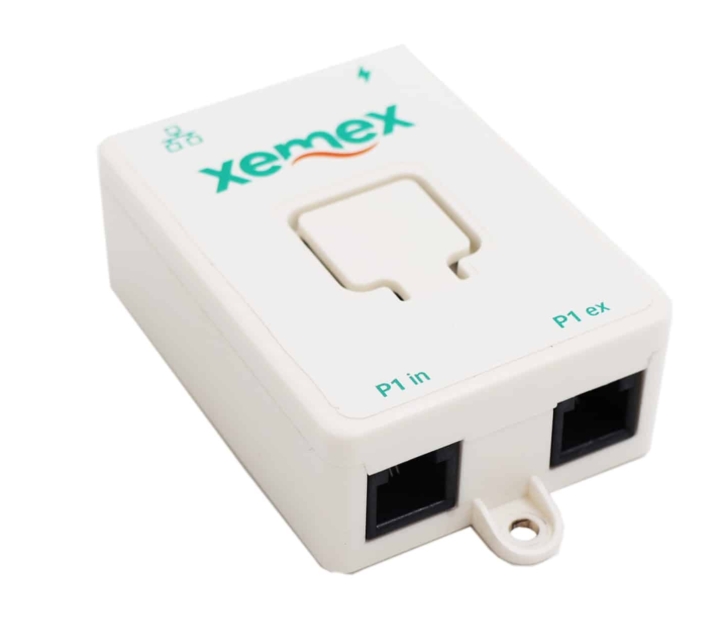
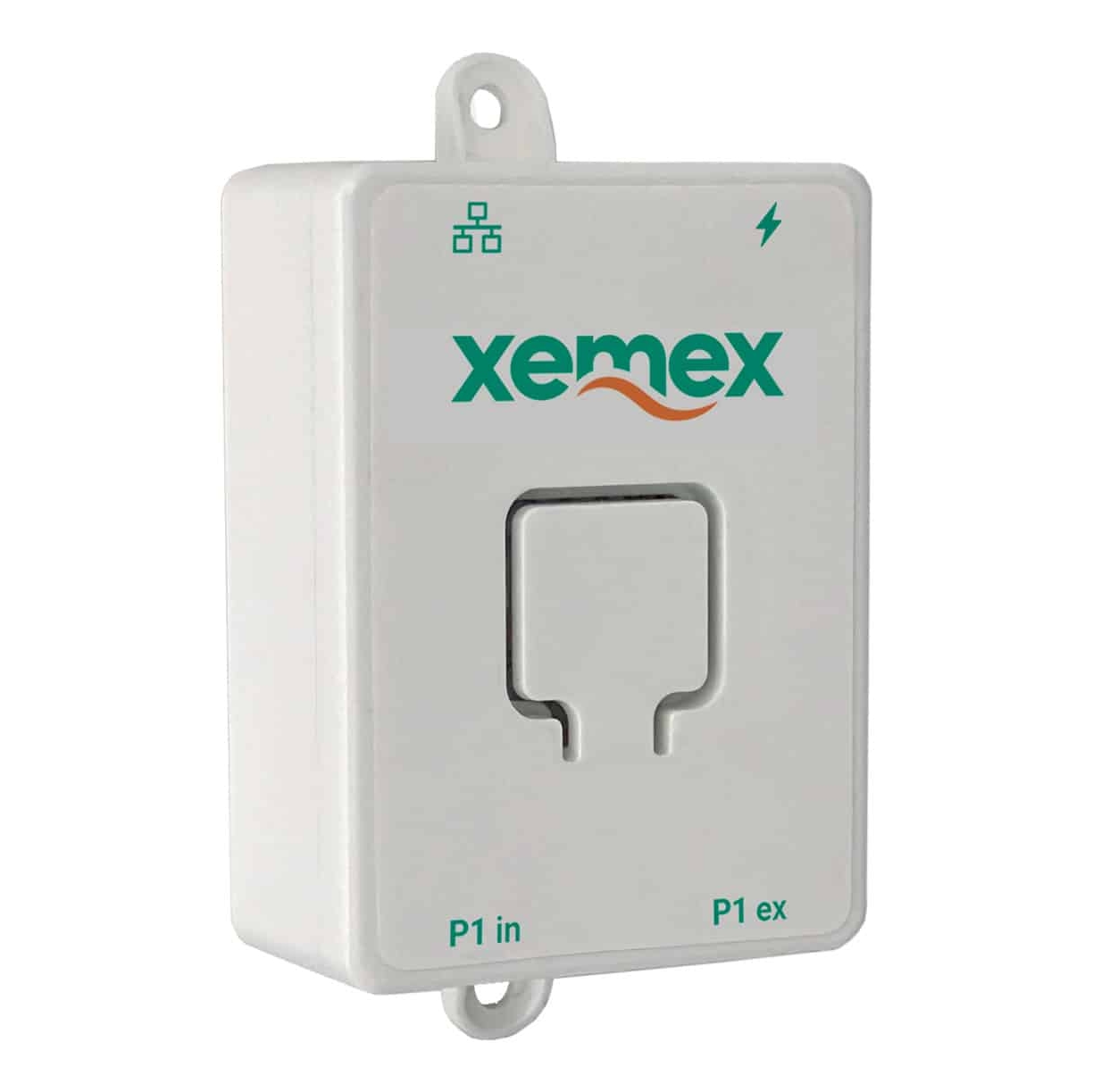
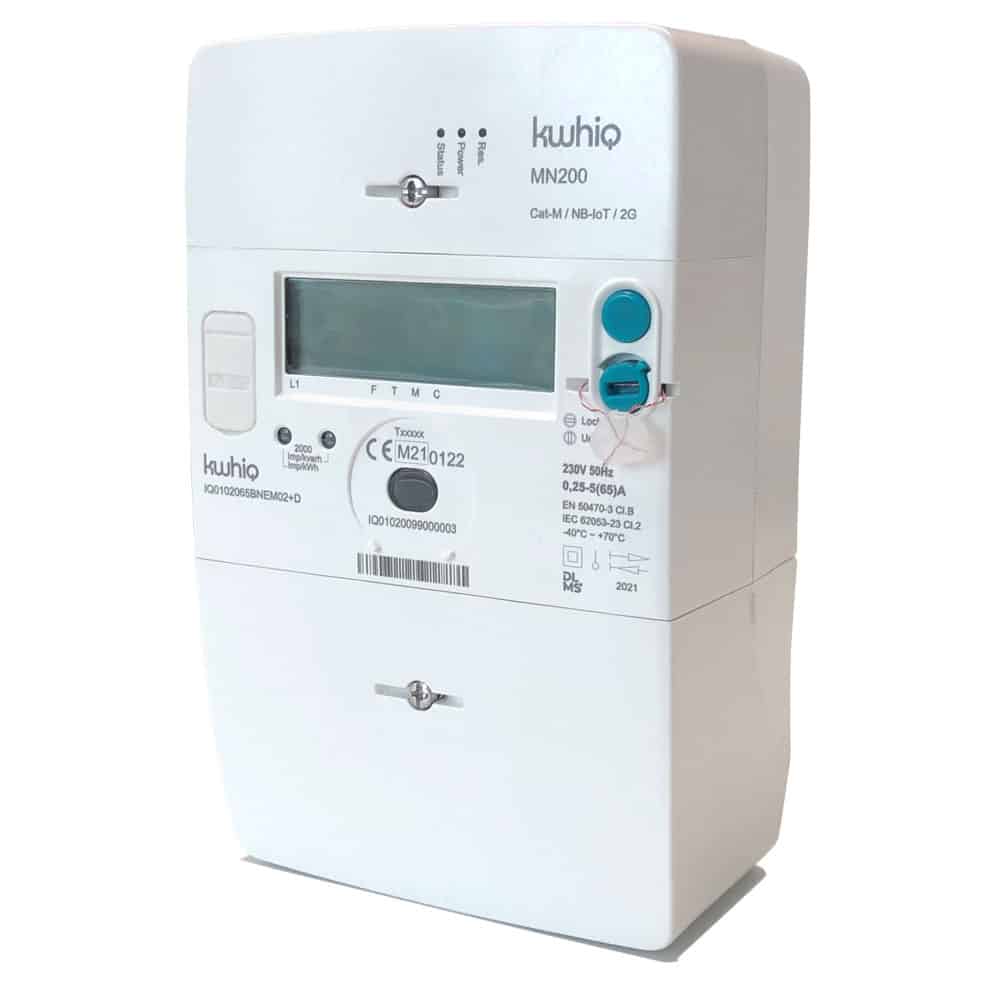
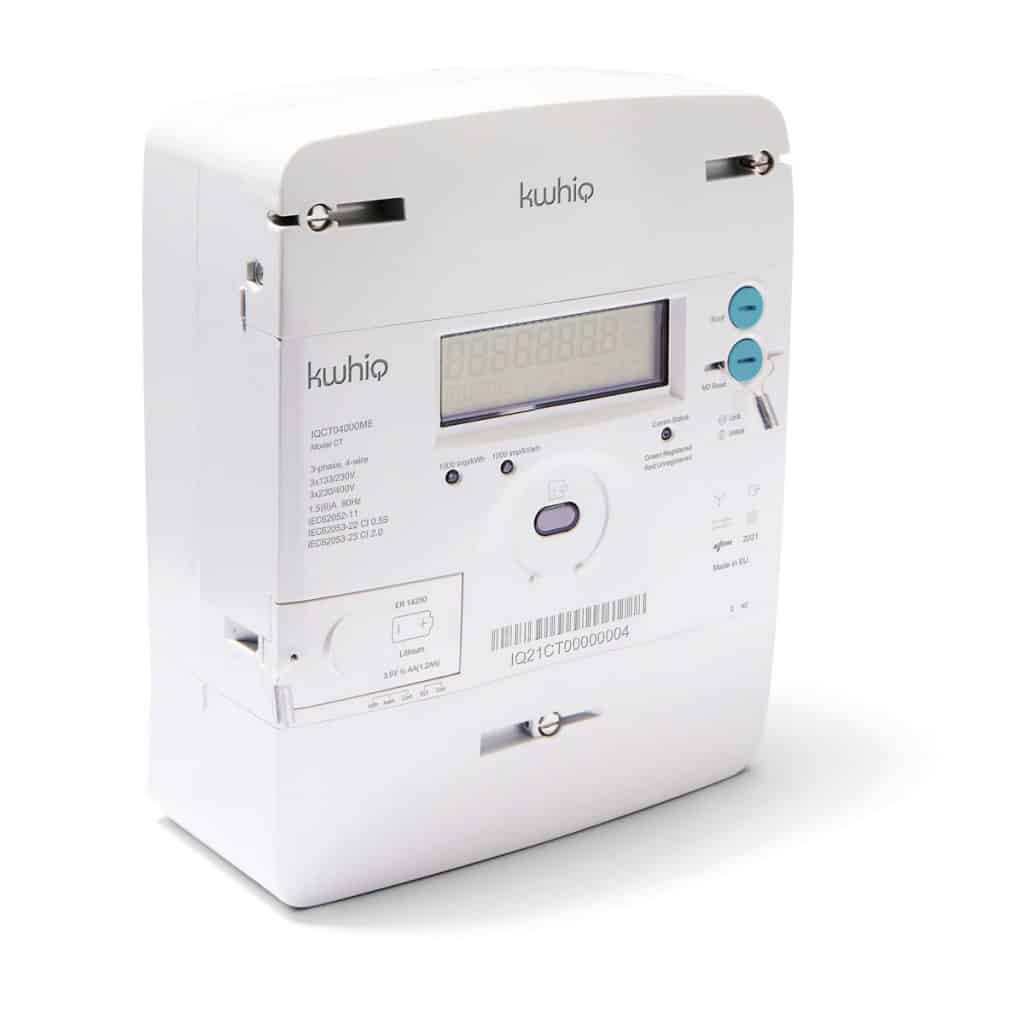
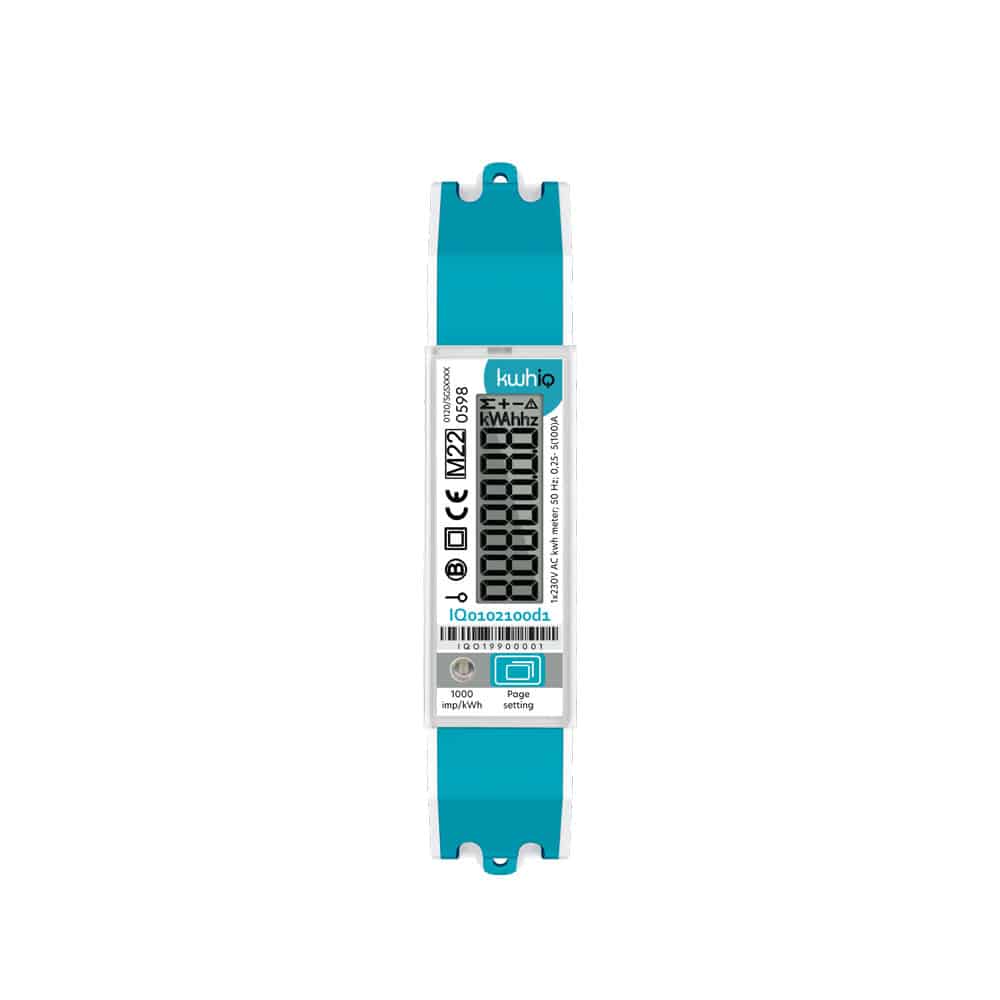
Xemex Slimme meters
Privacy and consumer protection
Privacy around smart meters is well-regulated by law. The grid operator reads meter data once per day and only shares hourly or quarter-hour data with suppliers and apps with your consent. All parties must comply with GDPR/privacy regulations. Importantly, suppliers receive your meter readings but cannot see details of individual devices (no “smart thermostat-style” notifications per appliance).
If you prefer not to share frequent data, remote reading can be disabled; you will then submit annual readings manually (no extra charge from the grid operator).
Consumer protection is strong: while smart meters provide new possibilities, consumers are safeguarded. Grid operators follow protocols in case of reading errors, and legal rights exist. Under the new Energy Act (from 2026), all analog meters must be replaced; consumers cannot refuse but may choose a standard digital meter instead of a smart one. Complaints about unjustified high consumption estimates can be filed with the ACM. So far in the Netherlands, problems are rare—grid operators report that faulty smart meters seldom affect consumers. (In the UK, smart meter compensation schemes exist, but no similar policy applies in the Netherlands.)
Conclusion: small device, big impact
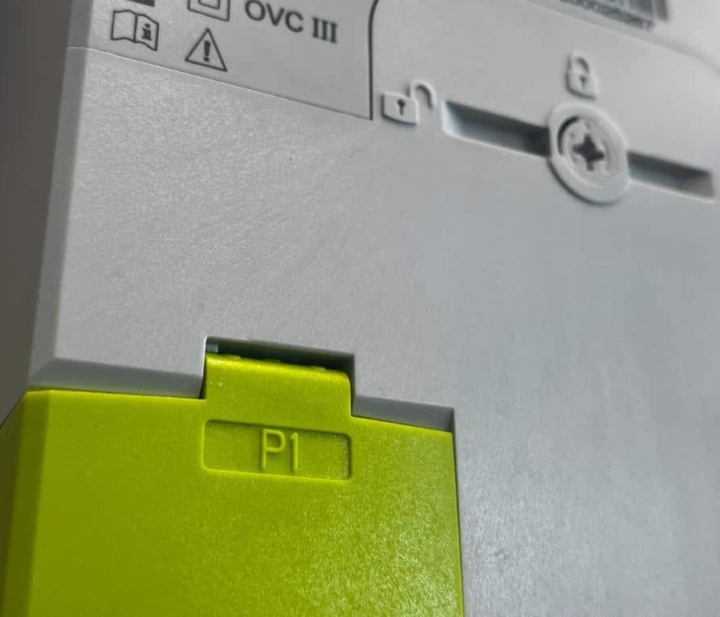
For Dutch households, the smart meter is key to real insight and flexibility in energy use. With the new Energy Act, smart meters will be installed anyway, but the real benefit comes from how you use it. A broken meter or unused P1 port is no trivial matter—it could cost tens of thousands of euros in potential comfort and savings. By intelligently controlling devices with an EMS, households gain both control and savings, while grid operators gain stability. This is the added value of the smart meter: not just measuring, but truly managing.
Frequently Asked Questions about Smart Meters, Dynamic Energy Contracts, and EMS
How much can I save with a dynamic energy contract and EMS?
It depends on your situation. Research shows that a dynamic contract can save over 20% on continuously running devices such as a heat pump. For households with EVs and solar panels, smart charging strategies and battery management can save several hundred euros per year. Milieu Centraal estimates an additional 2% electricity and 7% gas savings just by using insight from the smart meter. An EMS automates and maximizes these opportunities.
Is a smart meter mandatory, and what if I don’t want one?
From 2026, old dial meters must be replaced. You can choose your supplier: either a smart meter or a standard digital meter (no automatic reading). If you select a smart meter, remote reading can be disabled if desired. Without a smart meter, you miss many benefits: you cannot use dynamic tariffs and have less insight (no P1 port access for energy managers).
What does Xemex do with my consumption data?
Xemex Enny EMS uses data from your P1 port, including real-time prices, to monitor and control devices. The data stays with you; the Enny cloud platform only processes what is necessary for control and insight. Xemex operates in the Netherlands with local support, complies with privacy regulations, and does not share your usage with third parties. The smart meter itself sends data to the grid operator and your energy supplier within legal limits.
What happens if my smart meter is faulty?
Faults are rare. Meter reading errors are more common with old meters. If a problem occurs (e.g., unusually high readings), a protocol applies: the grid operator checks and repairs where necessary. Complaints can be submitted via ConsuWijzer/ACM; nationwide supervision ensures reading quality. (In the UK, compensation schemes exist, but in the Netherlands this is not standard per meter fault.)
Is my consumption safe with a smart meter?
Yes. The smart meter only transmits total consumption, not which devices were used. Grid operators and suppliers must comply with strict privacy regulations. You can disable readings if desired; otherwise, you can benefit from the data (via apps or dashboards) without losing privacy. Supervisors consider the communication security adequate; no system is entirely hack-proof, but the current Dutch smart meter network is considered very secure.
Sources
-
Milieu Centraal – Slimme meter en energieverbruik inzicht
https://www.milieucentraal.nl/energie-besparen/inzicht-in-je-energieverbruik/slimme-meter/ -
CBS – Slimme meterdata en energieverbruik
https://www.cbs.nl/nl-nl/corporate/2025/17/slimme-meterdata-nieuwe-bron-voor-gas-en-elektriciteitsverbruik -
ConsuWijzer (ACM) – Dynamische energiecontracten
https://www.consuwijzer.nl/energie/energiecontract/dynamisch-energiecontract -
Consumentenbond – Wat is een slimme meter
https://www.consumentenbond.nl/energie-vergelijken/slimme-meter -
NextEnergy – Dynamische energietarieven uitgelegd
https://nextenergy.nl/blog/dynamisch-energiecontract -
Zonneplan – Energieprijzen per uur en slim energiegebruik
https://www.zonneplan.nl/blog/dynamische-energieprijzen -
Tibber – Slim energieverbruik en dynamische tarieven
https://tibber.com/nl/blog -
Bereken-thuisbatterij.nl – Energie-inzicht en opslag
https://www.bereken-thuisbatterij.nl/blog -
Indevolt – Slim laden en energiesturing
https://www.indevolt.nl/blog -
e-WNDR – Energie-inzicht en monitoring
https://e-wndr.nl/kennisbank
Always ready to start
Wondering what we can do for your organization? Contact Xemex and discuss your needs with our team. Together we will realize a solution that addresses your energy challenges and opens up new possibilities.
Burgemeester Burgerslaan 40
5245 NH 's-Hertogenbosch, The Netherlands
Metropoolstraat 11a
2900 Schoten; Belgium