GACS in Practice: How to Set Up Energy Monitoring and Data Collection
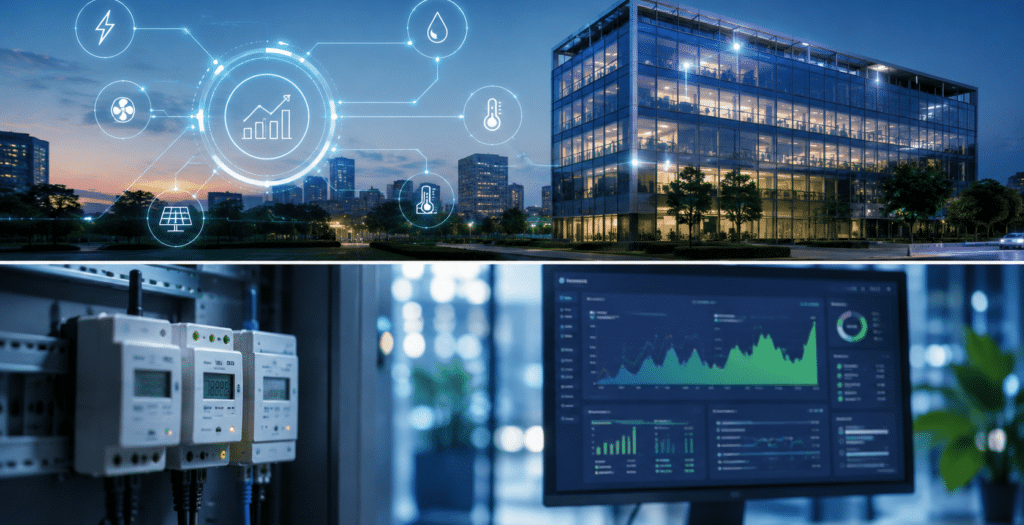
A GACS starts with reliable data. To monitor energy consumption, assess the performance of technical building systems and identify deviations in time, the right data needs to be available. This data must then be collected, analysed and translated into information that building managers can actually use.
A good GACS solution is therefore more than a dashboard or a collection of smart meters. It is an integrated solution combining measurement, communication, monitoring, analysis, alerts and, where required, control. This is also in line with how the Dutch government describes the required functionality of a GACS.
From Legislation to Day-to-Day Practice
GACS legislation requires the system to be able to continuously monitor, record and analyse energy consumption. It must also be possible to assess the energy efficiency of the building, identify efficiency losses and inform the building manager about potential improvements.
For a building manager, this translates into a number of practical questions: Which systems need to be monitored? Is the existing energy meter sufficient? Where are additional measurement points needed? How can data from different systems be brought together? And how can you make sure that a deviation is not only visible in a graph, but is actually brought to the attention of the right person?
These technical choices ultimately determine whether a GACS delivers real value in day-to-day building management.
Reliable Energy Data as the Foundation
Every GACS solution starts with reliable measurement data. Without accurate data, it is impossible to properly assess energy consumption or the performance of technical systems. A main energy meter provides insight into a building’s total energy consumption. This is an important starting point, but it is often not enough to determine where that energy is being used.
Suppose the electricity consumption of an office building suddenly increases. The main meter shows that consumption has increased, but it does not automatically show why. Is the HVAC system consuming more energy? Is there a technical issue? Have operating hours changed? Or is the increase caused by EV charging infrastructure?
To answer those questions, more detailed data is needed.
Submetering Makes Energy Consumption More Transparent
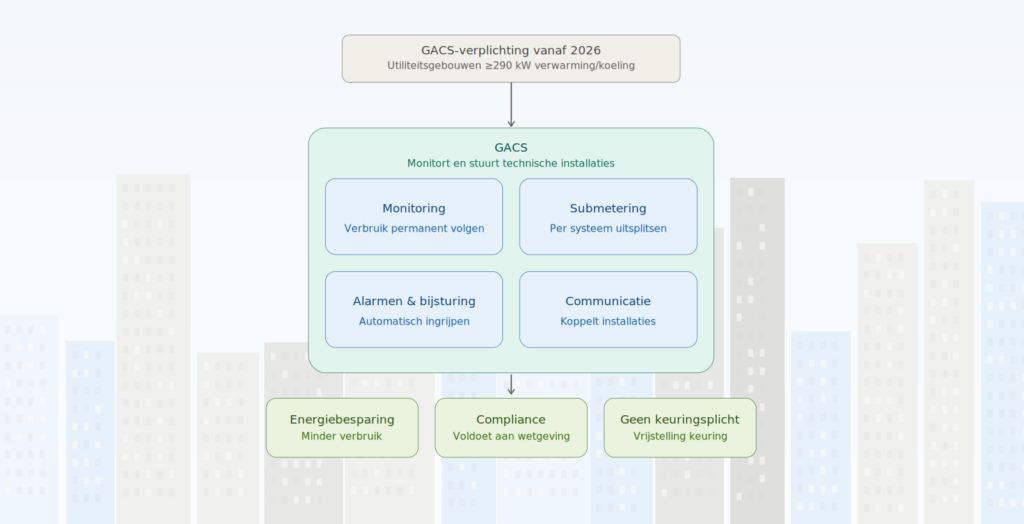
Submetering allows energy consumption to be broken down into relevant parts of a building. This could include HVAC systems, individual building zones, common services, EV charging infrastructure, solar generation or individual tenants.
This creates a much clearer picture of the energy flows within a building.When total energy consumption increases and it is also visible that a specific system is responsible for the increase, the building manager can investigate the situation much more effectively. Submetering is therefore not an objective in itself. Its purpose is to provide enough detail in the available data to analyse energy consumption and system performance.
The current Dutch guidance on GACS supervision supports this approach. During an inspection, authorities may look at whether the GACS provides the required functionality for monitoring and analysing energy consumption. A building owner or manager may also be asked to demonstrate how the system works.
From Data Collection to Continuous Monitoring
A good GACS solution does not only look at today’s energy consumption. Changes over time are essential for understanding the performance of a building. By continuously collecting measurement data, a historical picture of the building’s performance is created. This makes it possible to identify trends and compare current values with previous periods or expected patterns.
For example, it may become clear that a system is consistently using more energy than before, that a particular consumption pattern has changed or that an installation is operating outside its normal operating hours.
A monitoring platform should therefore provide more than real-time values. Historical data needs to remain available in a way that allows building managers to analyse it effectively.
Alerts Make Monitoring Practical
A building manager cannot continuously check every measurement and graph. Monitoring therefore becomes much more useful when the system can actively identify relevant deviations.Alerts can be used when, for example, energy consumption exceeds predefined limits or when an unusual pattern is detected. The building manager can then receive targeted information about situations that may require attention.
This supports the GACS requirement to identify efficiency losses and inform the building manager about potential improvements.
The aim is not to generate as many alerts as possible. A well-designed monitoring environment should help distinguish relevant deviations from normal changes, allowing building managers to investigate where action may be required.
Analysis Turns Data into Useful Information
Monitoring and alerts provide the most value when the available data can also be analysed.A building manager does not only want to know how much energy a building is using at a specific moment. The development over time is equally important. By comparing periods, building zones or technical systems, trends and deviations can become visible.
This could include comparing energy consumption between different weeks or seasons, or analysing consumption before and after an energy-saving measure has been implemented.
In this way, a collection of measurements becomes useful information that can help building managers understand and improve building performance.
ENNY Insight as the Monitoring Layer within GACS
This is where ENNY Insight from Xemex comes in.
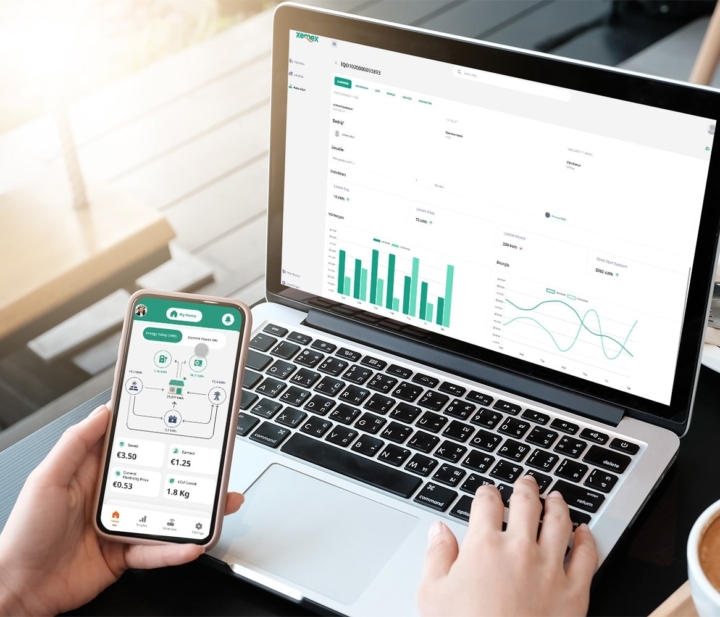
ENNY Insight can be used as a central monitoring and analysis platform for energy data. Measurement data from different sources can be brought together in one environment, allowing building managers to monitor energy consumption and energy flows centrally.This is not limited to real-time values. Historical data, submetering, trend analysis, alerts and reporting can all form part of the monitoring environment.
Another important practical consideration is that energy data should remain usable outside the dashboard itself. Data can therefore be exported for further analysis or reporting, for example in CSV format.
This creates a monitoring environment that not only provides insight into energy consumption, but also supports building managers in analysing and following up on deviations.
What Role Can CompactIQ Play?
A monitoring platform depends on the quality and availability of the measurement data. Adding new measurement points can be challenging, particularly in existing buildings.
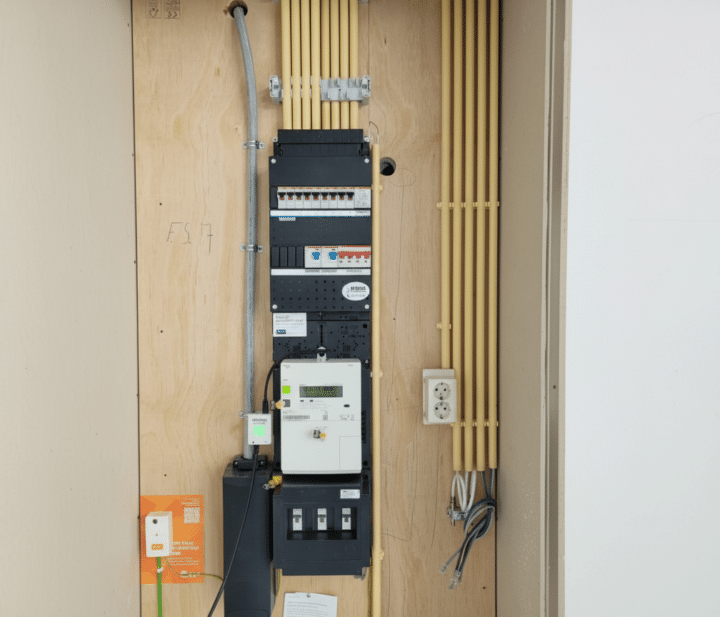
Meter cabinets and distribution boards often have limited space. Additional measurement points therefore need to be installed in a practical and space-efficient way, while also providing reliable communication.
This is where CompactIQ can be particularly interesting. The compact smart meter combines energy measurement and communication in a space-efficient solution and is designed for applications where available space and easy integration are important.
CompactIQ supports communication technologies including RS485 Modbus and LTE-M and can be used for applications such as energy monitoring, solar generation, EV charging infrastructure and other situations where additional energy measurement is required.
Within a GACS solution, CompactIQ can therefore function as a measurement component:
CompactIQ → energy measurement → communication → ENNY Insight → monitoring → analysis → alerts
CompactIQ provides the energy data, while ENNY Insight makes the data centrally available for monitoring and analysis. It is important to make one distinction: CompactIQ is not a standalone GACS. The same applies to ENNY Insight. The platform can fulfil an important monitoring and analysis role within a GACS solution, but a complete GACS may require additional systems and integrations depending on the building.
This is also in line with the Dutch government’s explanation that a GACS can consist of one complete product or be built from different components.
A Modular Approach to GACS
This modular approach is particularly relevant for existing buildings. Not every building needs to be redesigned from scratch. Many buildings already have meters, building management systems and technical installations in place. The first step is therefore to determine what is already available and where additional information or functionality is required.
Which measurement points are already installed? Which systems are connected? Which data can already be retrieved? Where is additional submetering required? And which functions need to be added to complete the GACS solution? From there, the system can be expanded where necessary.
A building could, for example, start with additional energy measurement and monitoring and later add more measurement points, system integrations or additional automation functionality.
This makes GACS less of an all-or-nothing investment and more of a solution that can grow with the building.
GACS as More Than Compliance
Although GACS is driven by legislation, the result does not have to be just a tick in a compliance box.The same data needed to monitor energy consumption can also be used to identify energy waste, optimise technical systems and assess the impact of energy-saving measures.
GACS can therefore develop into a practical tool for better building management. This will become increasingly relevant in the coming years. The Dutch GACS requirements already apply to existing non-residential buildings above the current threshold, while the scope will expand towards 2030.
Investing in a solid measurement and monitoring structure today therefore provides a foundation not only for current compliance, but also for future developments.
From Measurement Point to Complete GACS Solution
A good GACS solution does not start with one specific product. It starts with identifying what information is needed to properly assess the performance of the building and its technical systems.
- Measurement points provide reliable energy data.
- Communication brings data together from different sources.
- ENNY Insight makes the data visible and supports monitoring and analysis.
- Alerts and notifications help bring deviations to the attention of building managers.
- Data export and reporting make the information available for further use.
- Integrations with technical systems can make energy monitoring part of a broader GACS architecture.
CompactIQ can provide a practical solution where additional energy measurement is required and space in the distribution board is limited. The result is an integrated solution in which data is not simply collected, but actually used to understand building performance and identify opportunities for improvement.
Ready to Put GACS into Practice?
The right GACS solution looks different for every building. An office building, healthcare facility, school or multi-tenant building has different systems, measurement points and information requirements.
That is why a good approach starts by mapping the existing situation. What data is already available? Where are additional measurement points required? Which systems need to be monitored? And which hardware and software are needed to turn individual measurements into a useful monitoring environment?
Xemex can help bring this combination of hardware and software together.
ENNY Insight can be used for monitoring and analysing energy data, while hardware such as CompactIQ can provide additional energy measurement where required.
Would you like to know what GACS means for your building? Contact us for a no-obligation discussion. Together, we can assess which hardware, measurement points, integrations and software are needed and how to build a GACS solution that fits your building.
Frequently Asked Questions About GACS Monitoring
Is ENNY Insight a complete GACS?
ENNY Insight can play an important role as a monitoring and analysis platform
within a GACS solution. Depending on the building, a complete GACS may also
require communication with and control of technical building systems.
The complete setup should therefore be assessed for each building.
Can CompactIQ be used for GACS?
Yes. CompactIQ can be used as a measurement component within a broader GACS
solution. The meter collects energy data and can make that data available
through its communication capabilities for further processing and monitoring.
Is submetering mandatory for GACS?
Not every building is required to install submeters according to a fixed
number or configuration. However, a GACS must provide sufficient insight
into energy consumption and the performance of relevant technical systems.
Submetering can therefore be important for achieving the required level of detail.
What data is important for GACS monitoring?
This depends on the building and its technical systems. Relevant data can
include the energy consumption of technical installations, building zones
and other important energy flows. The goal is to provide enough insight
to assess energy performance, identify trends and detect deviations.
Why are alerts important within GACS?
Monitoring becomes much more valuable when deviations are detected in time.
Alerts can notify a building manager when, for example, energy consumption
or system performance differs from the expected or configured situation.
Can a GACS consist of different systems?
Yes. A GACS can consist of one complete product or several components from
different suppliers. These components can work together to provide the
required functionality. This makes a modular approach possible, allowing
existing systems to be retained where possible and additional hardware,
communication and software to be added where required.
Want to know more? Ask us!
Do you have a question about our products or solutions? Then please contact us. Together we will look for the best solution for your energy problem.
Burgemeester Burgerslaan 40
5245 NH 's-Hertogenbosch, The Netherlands
Metropoolstraat 11a
2900 Schoten; Belgium