The energy transition is accelerating, but the challenge is growing
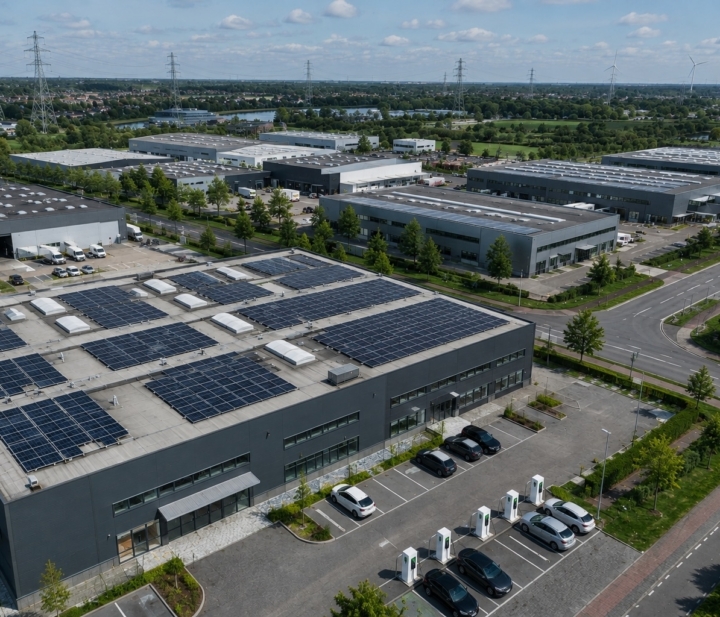
The energy transition to a sustainable energy supply is well underway. Solar panels, wind farms, electric cars and heat pumps are changing the way we generate and use energy. However, recent studies show that current developments are not yet sufficient to meet international climate targets.
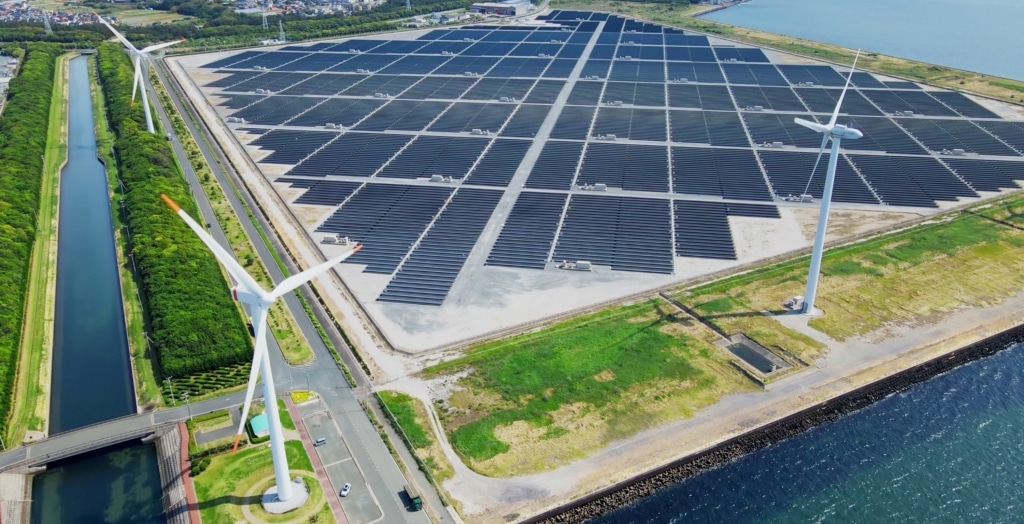
The challenge goes beyond generating more renewable energy. The electricity grid needs to be adapted, energy consumption needs to be organised more efficiently, and investments need to be better aligned. This makes one question increasingly important: how can we ensure that the energy we generate sustainably is used as efficiently as possible?
1. Three times as much renewable generation capacity is needed
The scale of the global energy transition is clear from a recent analysis by the International Renewable Energy Agency (IRENA), published by Change Inc. in October 2026.
According to IRENA’s scenarios, by 2035 at least three times as much installed renewable energy capacity will be needed to approach global climate ambitions of limiting warming to 1.5 or 2 degrees. At the end of 2025, total installed renewable energy capacity worldwide stood at approximately 5,149 gigawatts. The capacity required by 2035 is therefore considerably higher.
If current policies continue, progress will fall short of what is needed to achieve these climate ambitions. The share of renewable electricity in total energy demand must increase significantly. The electrification of transport, buildings and industry plays an important role in this.
The message is clear: not only does more renewable energy need to be generated, but a much larger share of our energy supply must be powered by electricity from renewable sources.
2. The Netherlands is not yet on track to meet its climate targets
The challenge is equally significant in the Netherlands. The 2026 Climate and Energy Outlook shows that, under current adopted policies, the Netherlands is not yet on track to meet its climate targets.
According to the projections, greenhouse gas emissions in 2040 will be reduced by 57 to 68 per cent compared with 1990. With additional, specifically modelled policies, this could rise to 61 to 72 per cent. The European ambition is to reduce emissions by 90 per cent by 2040.
Under current policies, the 2030 climate target remains out of reach. The transition to a sustainable energy supply therefore needs to accelerate. This requires not only more wind and solar power, but also a further shift away from fossil energy sources and making existing energy infrastructure fit for the future.
3. A sustainable energy system requires a smarter electricity grid
The growth of renewable energy and electrification has a direct impact on the electricity grid. Whereas the traditional energy system was mainly based on centralised electricity generation and relatively predictable consumption, a much more dynamic system is now emerging.
Solar panels generate most of their electricity during the day. Wind farms depend on weather conditions. At the same time, electricity demand is increasing due to electric cars, heat pumps, batteries, air conditioning and the electrification of industry.
The development of air conditioning deserves particular attention. Modern air-conditioning units are increasingly equipped with a heat-pump function. As a result, they are used not only to cool buildings and homes, but also increasingly as an alternative source of heating. This increases the number of electrical applications in buildings and can further raise electricity demand during colder periods.
This creates greater differences between supply and demand. At some times, more electricity is available than is needed, while at other times demand exceeds the available grid capacity. Grid congestion is a visible consequence. New businesses may sometimes be unable to connect to the grid, renewable energy projects are delayed, and existing connections cannot always be expanded.
In its Flexibility Needs Assessment 2026, the Netherlands Authority for Consumers and Markets (ACM) concludes that the Dutch electricity system will need considerably more flexibility over the next ten years. Flexibility can be provided, among other things, by batteries and by shifting business energy consumption to times when the grid is under less strain.
This calls for a different approach to energy. It is no longer just about generating and transporting more energy, but about planning, measuring and distributing it more intelligently.
4. From energy consumption to active energy management
An important development within the energy transition is the shift from traditional energy consumption to active energy management.
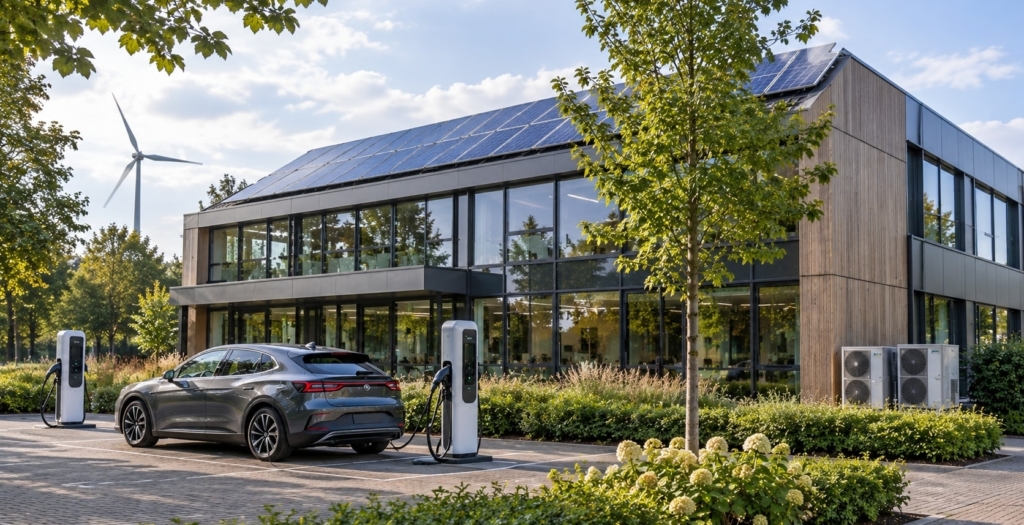
Businesses and buildings have more and more opportunities to align their energy consumption with available capacity, local energy generation and current energy demand. Consider, for example, a business with solar panels, electric vehicle charging points, a heat pump and air conditioning. If these installations operate independently of one another, unnecessary peaks in electricity consumption can occur.
The combination of cooling and heating with air conditioning offers interesting opportunities in this respect. When plenty of solar power is available, for example, a building can be cooled or heated in advance. This can partly shift energy demand to a more favourable time. However, this requires suitable equipment and a control system that takes current energy demand, comfort and available grid capacity into account.
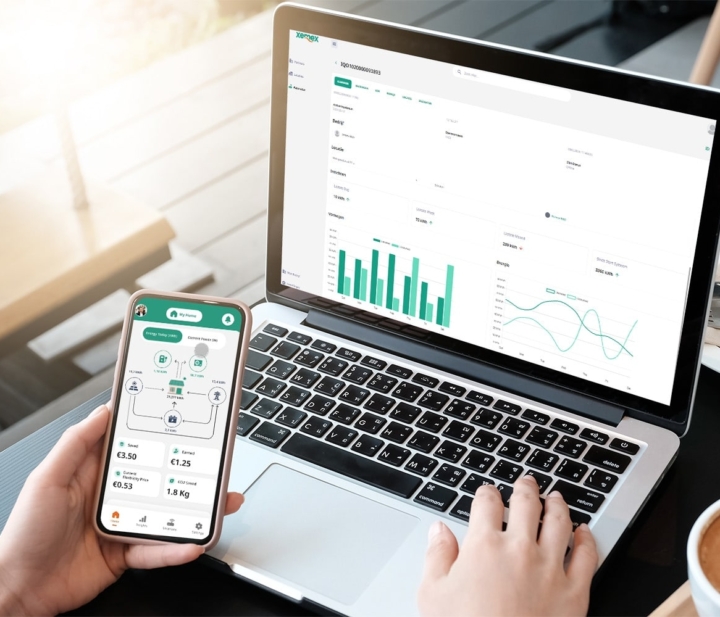
By monitoring the different energy flows, it becomes clear where and when energy is being consumed and where optimisation is possible. An energy management system can use this data to better coordinate installations. For example, by shifting charging processes, making better use of available solar power or temporarily limiting the output of certain installations.
The ACM is responding to this development as well. In October 2026, the regulator published a proposal for time-dependent grid tariffs from 2029 for households and businesses with small electricity connections. The aim is to encourage users to consume electricity at times when the electricity grid is under less strain. According to the ACM, this could reduce peak demand from households by approximately 10 per cent.
The proposal underlines that flexible energy use is playing an increasingly important role in making the electricity grid fit for the future. It is still a proposal; the final rules and implementation have yet to be determined.
5. Making the energy system more sustainable also requires insight into investments and results
In addition to the technical challenges, financing plays an important role in the energy transition. Governments, businesses and financial institutions need to make decisions about investments in renewable energy, electrification, storage and infrastructure.
Clarity about the investments required, the expected results and financial feasibility helps ensure that sustainable projects actually get off the ground. Insight into energy consumption plays an important role in this.
Organisations need to know where energy is being used, which installations are responsible for consumption and where there are opportunities to work more efficiently. Energy monitoring makes it possible to analyse consumption patterns, identify opportunities for savings and track the effects of sustainability measures.
Measurement alone does not automatically lead to energy savings. Its value lies in using reliable data to make informed decisions, take action and evaluate the results.
Making energy use more sustainable starts with insight and conscious use of energy
Meeting climate targets requires a major acceleration of the energy transition. Generating more renewable energy is essential, but it is only one part of the solution.
The electricity grid needs to be adapted to changing energy demand. Flexibility, energy management and more efficient use of existing infrastructure are becoming increasingly important. The growth of electrical applications, including air conditioning as a source of heating, makes this development even more apparent.
Optimisation starts with insight. Knowing where, when and how much energy is being consumed makes it possible to make better-informed decisions about sustainability and energy management.
With smart measurement and communication solutions, Xemex aims to help organisations take this step. A more sustainable energy system requires not only more green energy, but also smarter use of the energy available.
Always ready to start
Wondering what we can do for your organization? Contact Xemex and discuss your needs with our team. Together we will realize a solution that addresses your energy challenges and opens up new possibilities.
Burgemeester Burgerslaan 40
5245 NH 's-Hertogenbosch, The Netherlands
Metropoolstraat 11a
2900 Schoten; Belgium