From wireless invention to smart energy measurement: 30 years of remote metering
From the invention of wireless communication technology to the automatic reading of energy meters: the development of remote information provision has changed the world. Xemex has been working on this development for 30 years.

Hedy Lamarr was born on 9 November 1914. Alongside her career as an actress, she was interested in technological inventions. Together with composer George Antheil, she developed a frequency-hopping communication technique during the Second World War, also known as spread spectrum. Their invention laid an important technological foundation for later wireless communication systems, such as Wi-Fi and Bluetooth.
Since then, wireless communication has advanced enormously. Today, information can be exchanged almost anywhere and at any time. Not only between people, but also between devices, machines and entire installations. This creates new opportunities for collecting, transmitting and analysing data.
The world of energy measurement has benefited from this development too. Whereas meter readings used to be collected manually, energy meters can now be read automatically and measurement data can be made available remotely. Xemex has been active in this field for 30 years.
An invention that changed the world of wireless communication
The history of modern wireless communication includes several important inventions. One notable contribution came from Hedy Lamarr and George Antheil. In 1942, they patented a technique in which a radio signal continuously switches between different frequencies according to a predetermined pattern. This makes it more difficult for outsiders to intercept or disrupt the signal.
The original idea was intended for the remote control of torpedoes during the Second World War. Although the technique was not immediately adopted on a large scale at the time, the underlying principle of frequency-hopping communication later proved particularly valuable.
The principles of spread spectrum and frequency-hopping communication contributed to the development of modern wireless technologies. Today, related techniques are an important part of various communication standards. Examples include Wi-Fi, Bluetooth and other wireless connections that allow devices to exchange data. The invention by Lamarr and Antheil shows how innovative ideas sometimes only reveal their full significance much later. A technical concept originally developed for a very specific application can ultimately contribute to developments that profoundly change everyday life.
It is precisely this interaction between invention, further development and practical application that characterises technological progress.
From wireless communication to a world full of connected devices
The development of wireless communication was not limited to exchanging information between people. With the emergence of mobile telephony and mobile data networks, more and more opportunities arose for devices to communicate with one another remotely.
The introduction of GSM made mobile communication widely accessible. GPRS subsequently made it possible to transmit data over mobile networks as well. This created new applications for devices that did not need to be physically connected to a computer or network at all times.This development was an important step towards the Internet of Things (IoT): a world in which devices independently collect and exchange data via internet and communication networks.
Examples include smart meters, sensors, security systems, industrial installations and building management systems. All these applications depend on a reliable way of making information available.This also brought significant changes to the energy sector. It became possible to read energy meters automatically, collect meter readings centrally and monitor consumption data remotely. This created a new way to gain insight into energy consumption without relying on periodic manual meter readings.
Communication technology thus became an indispensable link between measuring energy and being able to use that information.
30 years of Xemex: communication as the basis for insight
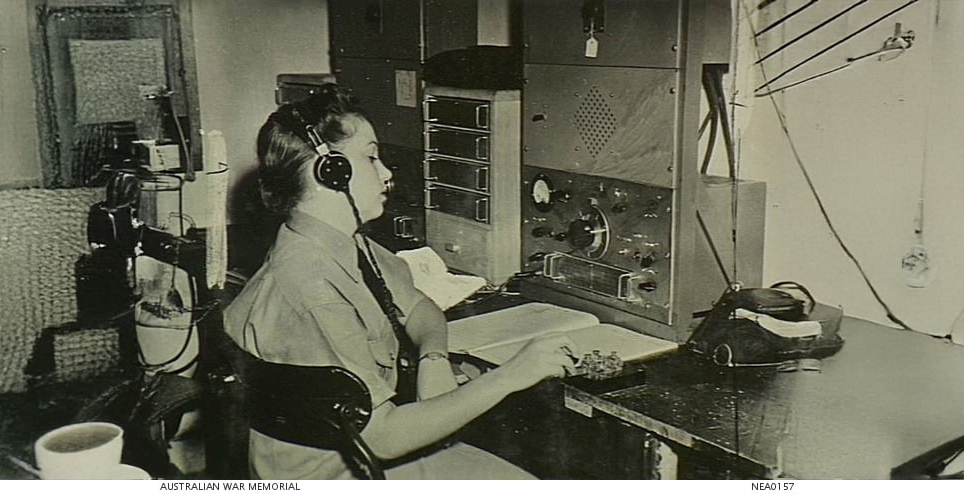
The development of energy measurement and wireless communication runs like a common thread through Xemex’s history. The company was founded in 1996 and began specialising in remote meter reading in 1998. At that time, applications for automatic meter reading were still being developed. The possibilities offered by mobile data communication created new opportunities to collect meter readings more efficiently and make them available to central systems.
An important step in this development was the introduction of the CrediTalk units in 2007. These communication units used GSM/GPRS to transmit meter data remotely to a central system. This made it possible to collect and process measurement data automatically, without someone having to visit each meter individually. This was particularly useful for organisations with multiple connections and metering locations, where collecting meter readings manually could be a time-consuming process.
Technology has continued to evolve ever since. Communication networks have become faster and more versatile, and the possibilities for processing and presenting measurement data have expanded significantly. Where the first solutions were primarily focused on automatically transmitting meter readings, the emphasis today is increasingly on making up-to-date measurement data available for monitoring, reporting and further analysis.
For Xemex, this has meant working on the same challenge for 30 years: ensuring that measurement data is transferred reliably from the meter to the system in which it is used.
From GSM/GPRS to modern communication networks
The transition from older mobile networks to modern communication technology is a logical consequence of this development. GSM and GPRS played an important role for many years in remotely reading meters and other devices. These older networks are now being phased out in an increasing number of locations. This has practical consequences for organisations that rely on existing communication connections. Equipment that communicates exclusively via 2G or GPRS may eventually stop working when the relevant network is switched off.
This makes migration to modern communication technology important. Not only to maintain connectivity, but also to safeguard the continuity of information provision.
One of the technologies playing a role in this transition is LTE-M. This mobile communication standard was specifically developed for applications within the Internet of Things. LTE-M enables devices to remain connected to a mobile network over extended periods and to exchange relatively small amounts of data efficiently.
For applications such as remotely reading energy meters, this offers interesting possibilities. Communication can be integrated into equipment that independently collects measurement data and forwards it to a monitoring platform or another central system. The transition to modern networks requires a thorough assessment of the existing infrastructure. Which meters are being used? Which communication connections are in place? And how is the collected data currently processed? For larger metering infrastructures in particular, it is advisable to consider replacing outdated communication equipment in good time.
Would you like to know more about the consequences of phasing out older mobile networks? Read also: Phasing out 2G and GPRS for housing associations
From measurement to insight: the role of modern communication
Technological developments mean that energy meters can now be read remotely in several different ways. In some cases, an existing meter is connected to another system through a communication interface. In other situations, measurement and communication are combined in a single device.
Xemex’s current solutions build on this development. CompactIQ combines energy measurement and modern LTE-M communication in one compact smart meter. The Smart Connect series makes it possible to read measurement data from existing meters via P1, A1 and TIC interfaces and make it available to other systems. Although the applications differ, the principle is the same: making measurement data accessible for monitoring, analysis and further processing.
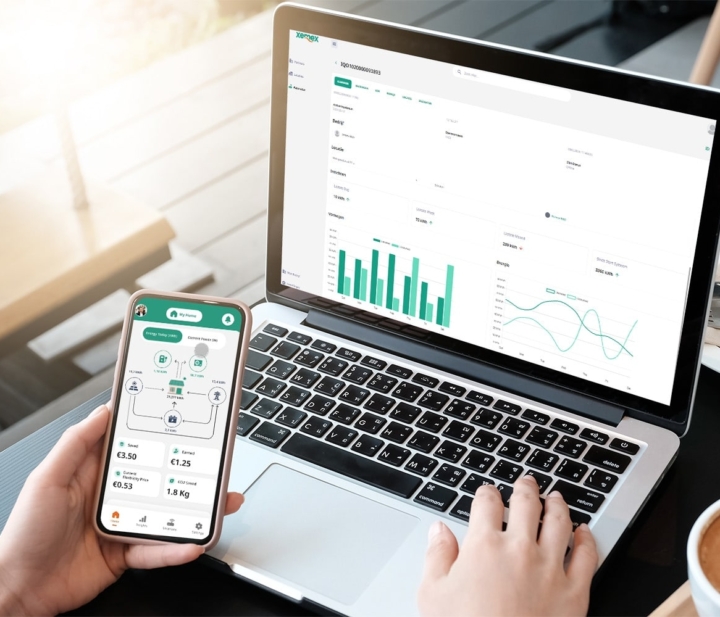
The availability of this data makes it easier for organisations to gain insight into their energy consumption. Consumption data can be collected centrally, historical developments can be tracked, and different connections or locations can be compared. Standardised communication protocols also play an important role. Protocols such as Modbus TCP and MQTT make it possible to pass measurement data on to different software platforms and other systems. This creates greater flexibility when setting up a metering and monitoring environment.
The focus is not only on the technology used to collect data, but above all on the information that becomes available as a result. After all, reliable measurement data is the basis for gaining a clear understanding of energy consumption.
The future: reliable information as the basis for the energy transition
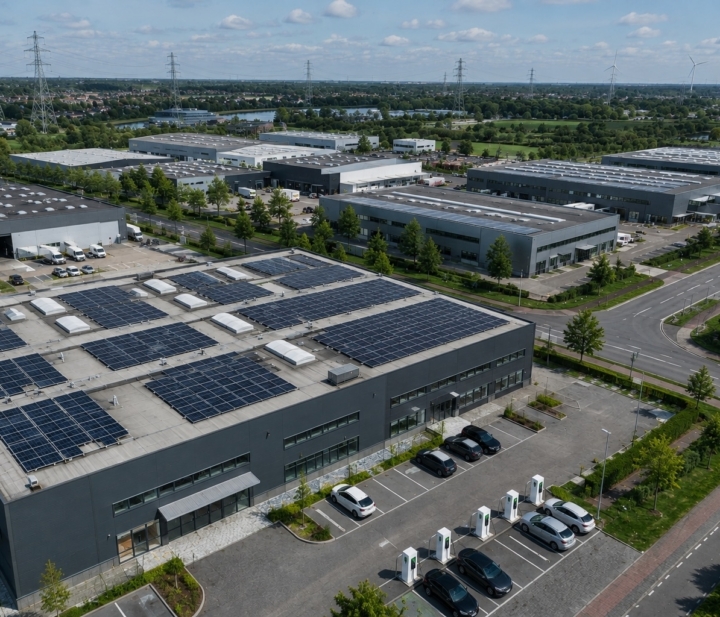
The energy transition places increasingly high demands on the way energy is measured and monitored. The number of applications in which insight into electricity consumption is important is growing. Examples include buildings with solar panels, charging facilities for electric vehicles, heat pumps and other electrical installations.
Reliable measurement information is essential to properly monitor the energy consumption of these applications. Organisations want to know not only how much energy is being consumed at a given moment, but also how consumption develops over longer periods and how different connections and locations compare.
This requires a good combination of measuring equipment, communication technology and software. Data must be collected reliably, made available and then processed by systems that provide insight into energy consumption.
The further development of IoT, mobile networks and standardised communication protocols will continue to play an important role. Devices are becoming increasingly capable of collecting and exchanging data independently. This also increases the importance of reliable digital infrastructure.
For Xemex, the core of its work remains unchanged: ensuring that measurement data is available where it is needed.
Bronnen
Frequently asked questions
Who was Hedy Lamarr and what did she invent?
Hedy Lamarr (1914–2000) was an Austrian-American actress and inventor. During the Second World War, she worked with composer George Antheil on a frequency-hopping communication technique. Their invention laid part of the foundation for later developments in wireless communication.
What is Inventors’ Day?
Inventors’ Day is celebrated on 9 November, the birthday of Hedy Lamarr. The day recognises inventors and highlights the role of innovation and technological progress in society.
What does remote meter reading mean?
Remote meter reading means collecting measurement data from energy meters through a communication connection, without having to read the meter manually on site. This makes energy consumption data available for monitoring, analysis and reporting.
What is the difference between GSM/GPRS and LTE-M?
GSM/GPRS are older mobile communication technologies that have been used for remote data transmission. LTE-M is a newer mobile network technology designed for applications such as connected devices and smart meters. It supports reliable, energy-efficient communication and is suitable for transmitting measurement data.
Why is reliable communication important for energy monitoring?
Reliable communication ensures that measurement data can be collected and made available consistently. This provides insight into energy consumption and helps organisations monitor installations, identify deviations and make informed decisions about energy use.
Always ready to start
Wondering what we can do for your organization? Contact Xemex and discuss your needs with our team. Together we will realize a solution that addresses your energy challenges and opens up new possibilities.
Burgemeester Burgerslaan 40
5245 NH 's-Hertogenbosch, The Netherlands
Metropoolstraat 11a
2900 Schoten; Belgium